

You run a wedding venue, a retreat center, or a farm-to-table event space. Your guests love the setting, and the atmosphere is perfect, but there’s one persistent problem: where do people sleep?
You’re constantly fielding questions about nearby hotels. Out-of-town guests scramble for Airbnbs. Wedding parties end the night worrying about designated drivers. Meanwhile, you’re watching potential revenue walk out the door to nearby accommodations.
Enter park models.
Smart venue owners are discovering that adding park-model guest lodging creates a new revenue stream while dramatically improving the guest experience. Let’s talk about why this works and how you might make it happen.
Why Park Models Change Everything
Park models offer something traditional construction can’t: fast deployment, reasonable cost, and genuine comfort that guests actually appreciate.
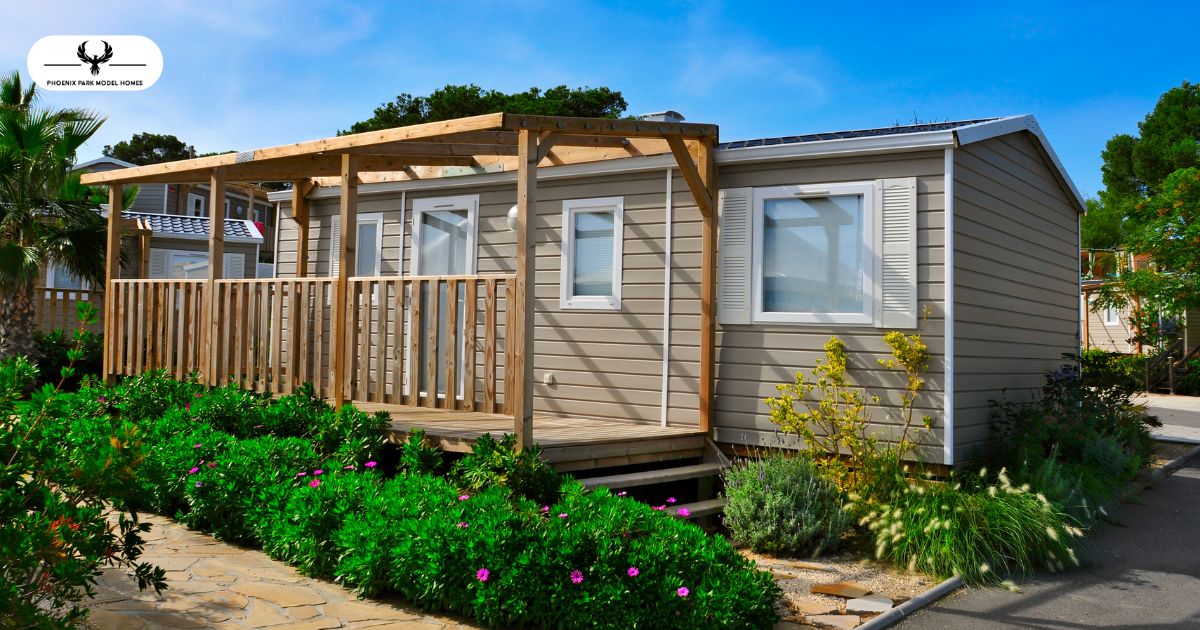
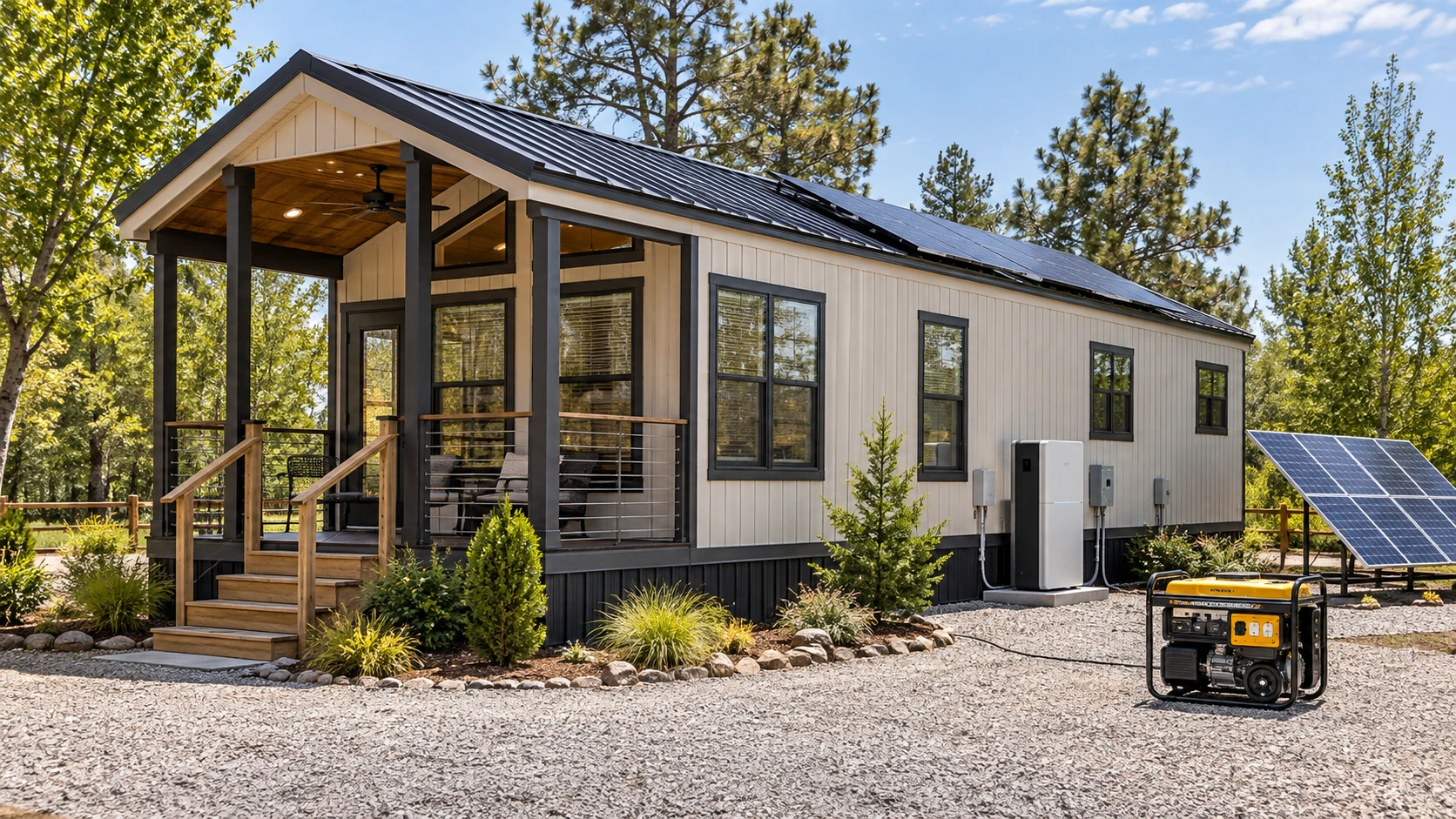
A wedding venue could add four park models for roughly the cost of building one traditional guest cabin. That’s 8-16 additional guests who can stay on-site instead of driving to hotels. Each unit feels like a private cottage, full kitchen, comfortable sleeping areas, real bathrooms, not a glorified tent or basic bunkhouse.
The timeline matters too. Traditional construction might take a year or more from planning to completion. Park models can be ordered, delivered, and ready for guests in a few months. You could decide in January and start generating revenue by summer wedding season.
Because they’re classified as RVs in most jurisdictions, permitting is often simpler than permanent structures. You’re not building, you’re placing. Local regulations vary tremendously, but many venue owners find they can add park model accommodations where traditional construction would face significant hurdles.
The Revenue Potential Is Real
Let’s run some numbers because this is where it gets interesting.
Say you’re a wedding venue that hosts 30 events annually. You add three park models at $50,000 each (mid-range units), plus site prep and utilities, bringing the total investment to roughly $180,000.
You charge $200 per night per unit. Not every wedding books all units, but on average, you rent two units per event for two nights. That’s $800 per event, or $24,000 annually just from wedding weekends.
But weddings aren’t your only opportunity. Those park models sit empty most weekdays and non-wedding weekends. You list them on short-term rental platforms. At 30% occupancy during non-event times (very achievable with decent marketing), you’re adding another $21,000-$25,000 annually.
You’re now generating $45,000-$50,000 in gross revenue from a $180,000 investment. Factor in cleaning costs, utilities, maintenance, and insurance; call it $12,000 annually in expenses, and you’re still netting $33,000-$38,000 yearly. That’s roughly a 4-year payback period, after which it’s nearly pure profit.
And we haven’t counted the premium you can charge for your events when overnight lodging is included. Venues with on-site accommodations can charge more because they’re offering a complete package. That pricing power might be worth more than the room revenue itself.
Beyond Weddings: Other Venue Applications
Wedding venues are the obvious application, but they’re not the only ones.
Retreat centers benefit enormously. Corporate retreats, yoga workshops, writing seminars, and recovery programs, these all work better when participants stay on-site. Park models provide comfortable, private accommodations without the institutional feel of dormitories. Each unit can house 2-4 people, perfect for small groups or breakout teams.
Agritourism operations-farms offering tours, u-pick experiences, farm dinners, or educational programs- can extend single-day visitors into overnight stays. Families love the idea of sleeping on an actual farm. City kids wake up to roosters and tractors instead of traffic. It transforms your business from a few hours of revenue to a full experience.
Vineyards and breweries hosting tastings, dinners, or tours create destination experiences when guests can stay over. You’re no longer competing just on the quality of your wine or beer but also on the complete getaway experience. “Wine country weekend” becomes reality when lodging is part of the package.
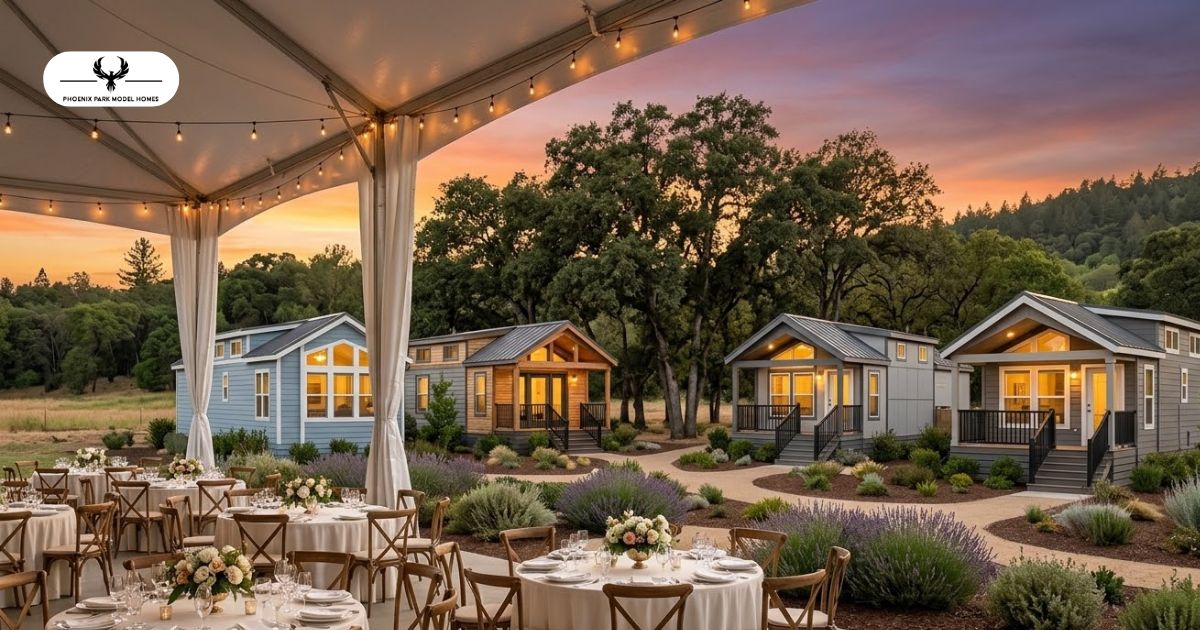
Event barns and rustic venues on larger properties have space to nestle park models into wooded areas or meadows. The contrast between the rustic event space and surprisingly comfortable modern lodging delights guests. They get the aesthetic they want with the comfort they need.
Music venues and festivals can offer VIP lodging packages. Instead of camping or commuting, premium ticket holders get private cottages. This works for multi-day festivals, concert series, or venues hosting regular events.
The Guest Experience Advantage
Here’s what venue owners consistently report: on-site lodging doesn’t just add revenue; it transforms how guests experience events.
Wedding parties staying on-site create different energy. There’s no rushing to get ready and arrive. The morning after, people linger over coffee, sharing stories and extending the celebration naturally. Parents with young children can put kids to bed and return to the reception without elaborate babysitting arrangements.
For multi-day events like weekend retreats or reunion celebrations, on-site lodging creates community. Participants aren’t scattering to separate hotels each evening. They’re together, continuing conversations, building relationships, staying in the experience.
The morning-after breakfast or brunch becomes effortless when guests are already on-site. This adds another revenue opportunity; you can offer catered breakfasts, provide breakfast provisions in units, or arrange for local bakery deliveries. Guests appreciate not figuring out where to eat.
Managing the Hospitality Side
Adding lodging means you’re now in the hospitality business, at least partially. This deserves consideration.
Cleaning between guests is non-negotiable. You need reliable systems, either staff you hire, a cleaning service you contract, or a very trustworthy arrangement with local cleaners. Consistency matters because hospitality reviews are unforgiving.
Linens and supplies require management. Fresh bedding, towels, toiletries, kitchen basics if you’re providing stocked kitchens. This is ongoing operational overhead, not just initial setup.
Booking and communication systems should be straightforward. Property management software designed for short-term rentals handles this well. You need to coordinate event bookings with lodging availability, communicate check-in procedures, and handle the inevitable questions.
Maintenance is continuous. Park models are durable but not indestructible. HVAC servicing, plumbing fixes, appliance repairs, exterior upkeep, and budgeting time and money for ongoing maintenance, just like any rental property.
Many venue owners find that partnering with experienced property managers for the lodging side makes sense, especially initially. You focus on events; they handle hospitality logistics.
The Marketing Angle
On-site lodging becomes a major marketing differentiator. Your website can now promise “complete destination experience” rather than just event space. You’re not competing solely on venue beauty or pricing; you’re offering convenience and immersion that off-site accommodations can’t match.
Package pricing works beautifully. Instead of just quoting venue rental, you offer tiers: event only, event plus lodging for the wedding party, or event plus lodging for all guests. This upselling feels natural because you’re genuinely adding value.
Listing units on Airbnb, VRBO, or similar platforms during non-event times reaches entirely new markets. People searching for weekend getaways discover your property, book a stay, explore your grounds, and suddenly you’re on their radar for future events. It’s marketing that generates revenue rather than costing it.
Financing Approaches
The investment isn’t insignificant, but it’s also not astronomical compared to many business expansions.
Some venue owners purchase park models outright, viewing it as straightforward capital investment with clear ROI. Others explore RV financing or business equipment loans since park models qualify. Interest rates vary, but financing lets you preserve working capital while still adding the amenity.
Another approach: phase it in. Buy one or two units initially, prove the concept, generate revenue, then add more as business justifies. This reduces initial risk while letting you learn the hospitality operations on smaller scale.
Is This Right for Your Venue?
A few questions help determine fit:
Do you have adequate land to site park models without impacting event spaces? Is there demand? Do guests currently ask about on-site lodging or struggle to find nearby accommodations? Can you handle the operational complexity of hospitality alongside events? Does local regulation allow this use?
If answers lean yes, the opportunity is worth serious exploration. The venues seeing the best results share common traits: they’re in areas where nearby lodging is limited or expensive, they host events where guests genuinely want to stay over, and they have space to integrate park models thoughtfully.
Final Thoughts
Adding park model lodging to your event venue isn’t just a nice amenity; it can be transformative for your business model. You’re solving a genuine guest pain point while creating significant new revenue and a competitive advantage.
The investment is substantial but manageable. The returns, both financial and experiential, can justify it quickly. And you’re building long-term value in your property while giving guests experiences they’ll remember and recommend.
For venue owners ready to level up their offering, park models might be the unexpected answer to questions you’ve been asking for years.