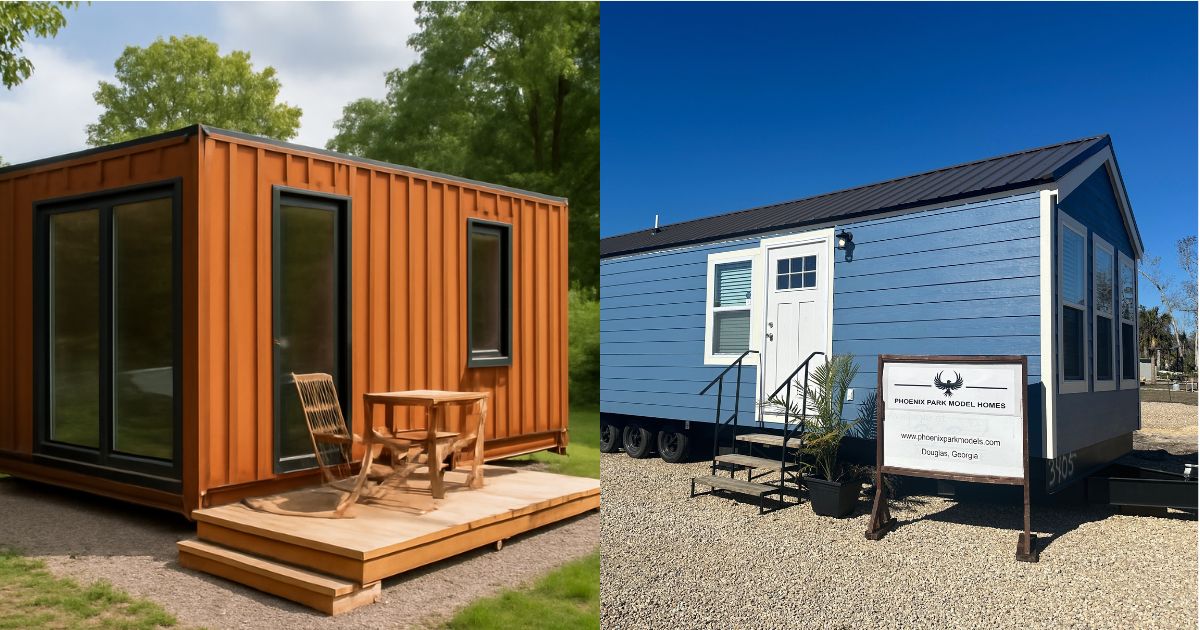


Installing A park model home can be much faster than building a traditional house, but it still involves local permits and approvals. Many first-time buyers assume park models can simply be placed on land and connected to utilities. In reality, most jurisdictions require permits related to zoning, utilities, and site preparation.
Permit requirements vary widely depending on your location and whether the park model will be used as a vacation home, rental unit, or part of an RV park or community. Understanding these requirements ahead of time helps avoid delays, fines, or costly changes after delivery.
This guide explains the most common permit requirements for installing a park model home, the approvals typically required, and how to prepare your property before installation.
What Is a Park Model Home in Regulatory Terms?
Before permits are issued, local authorities must classify the structure.
A park model home is typically defined as:
- A recreational unit designed for temporary or seasonal living
- Usually under 400 square feet
- Built to RVIA standards rather than HUD manufactured housing codes
- Placed on a temporary foundation or pad
Because of this classification, park models are often regulated similarly to:
- RV units
- campground accommodations
- tiny homes in RV parks
However, regulations vary widely depending on county and municipal zoning laws.
Common Permits Required for Park Model Installation
While requirements differ by location, most installations require permits related to site work and utilities.
| Permit Type | What It Covers |
| Zoning approval | Determines whether park models are allowed on the property |
| Electrical permit | Connecting the home to a power source |
| Plumbing permit | Water and sewer hookups |
| Septic permit | Required if no municipal sewer is available |
| Grading or site permit | Preparing the land or installing pads |
| Driveway permit | Access roads or parking areas |
Some locations may also require foundation or anchoring permits depending on installation type.
Zoning: The First Step Before Any Installation
Zoning regulations determine whether you can place a park model on your land.
Common zoning categories that allow park models include:
- RV parks
- campgrounds
- recreational residential zones
- tiny home communities
- resort or vacation zones
In some areas, park models may be allowed on private property for seasonal use, while others restrict them to licensed parks.
If you’re planning multiple units, such as a rental community, zoning becomes even more important. Our guide on The Park Model Compound: Running a Small Rental Community on Your Land explains how zoning impacts multi-unit setups.
Utility Connection Permits
Park model homes require utility hookups similar to traditional homes.
Electrical Permits
Electrical permits are usually required for:
- Installing service panels
- Running power lines
- Connecting to utility meters
Most park models use 30-amp or 50-amp service, similar to RV hookups.
Plumbing and Water Permits
Local authorities may require permits for the following:
- water supply lines
- drainage connections
- sewer hookups
If municipal sewer is unavailable, you may need approval for a septic system.
Internet and Cable
While not always requiring permits, many communities install:
- fiber internet
- cable connections
- wireless infrastructure
Reliable internet is particularly important if park models are used for short-term rentals or remote work accommodations.
Site Preparation Permits
Before delivery, the land must often be prepared.
Site preparation may involve:
- grading the land
- installing gravel pads or concrete pads
- building access roads
- preparing parking areas
In many municipalities, these activities require a grading or site work permit.
To understand how to prepare land before installation, see our guide on How to Prepare Your Site Before a Park Model Delivery.
Temporary vs Permanent Installation
Permit requirements may differ depending on whether the park model is considered temporary or permanent.
| Installation Type | Typical Permit Requirements |
| Temporary placement | Minimal permits in RV parks |
| Seasonal use | Utility permits usually required |
| Permanent placement | May require zoning approval and site permits |
Local building departments determine which category your installation falls under.
Installing Multiple Park Models
If you plan to install more than one unit, additional approvals may be required.
Examples include:
- development permits
- campground licenses
- utility infrastructure permits
- fire safety approvals
This is especially important when creating small rental communities or vacation properties.
How to Start the Permit Process
The best way to begin is by contacting your local planning or zoning department.
Typical steps include:
- Verify zoning regulations for park models
- Confirm allowable land use
- Apply for required site permits
- Install utilities with licensed contractors
- Schedule inspections if required
Starting the process early can prevent delays when your park model is ready for delivery.
Conclusion
Installing a park model home is generally faster and simpler than building a traditional house, but permits and zoning approvals are still an important part of the process. Understanding local regulations before delivery ensures that your installation goes smoothly and avoids unnecessary delays.
If you’re placing a single park model on private land or building a small community, taking time to verify zoning, utilities, and site preparation requirements can make the entire process far easier.
Choosing the right park model is just as important as preparing your property.
Phoenix Park Models designs high-quality park model homes built for comfort, efficiency, and long-term durability. If you’re planning a vacation retreat, rental unit, or small community, our homes are built to help you make the most of your land.
Explore our available park model homes and floor plans at Phoenix Park Models today.
FAQs
Do park model homes require building permits?
Often, the structure itself does not require a building permit because it is factory-built, but site work and utility connections usually do.
Are park models legal on private land?
In many areas they are allowed, but zoning rules vary widely. Always confirm with your local planning department.
Do park models require foundations?
Most park models sit on gravel pads, concrete pads, or pier systems, which may require site permits depending on the jurisdiction.
Can you install a park model without utilities?
Some owners use park models off-grid with solar and water storage, but most jurisdictions still require approval for occupancy.
How long does the permit process take?
Permit timelines vary, but approvals typically take a few weeks to a few months, depending on the complexity of the project.