

After weeks or sometimes months of planning, ordering, and waiting, delivery day has finally arrived. Your new park model is on-site, utilities are being connected, and you’re eager to start enjoying it.
But before you start moving in furniture or inviting guests, there’s one important step you shouldn’t rush:
The final walkthrough.
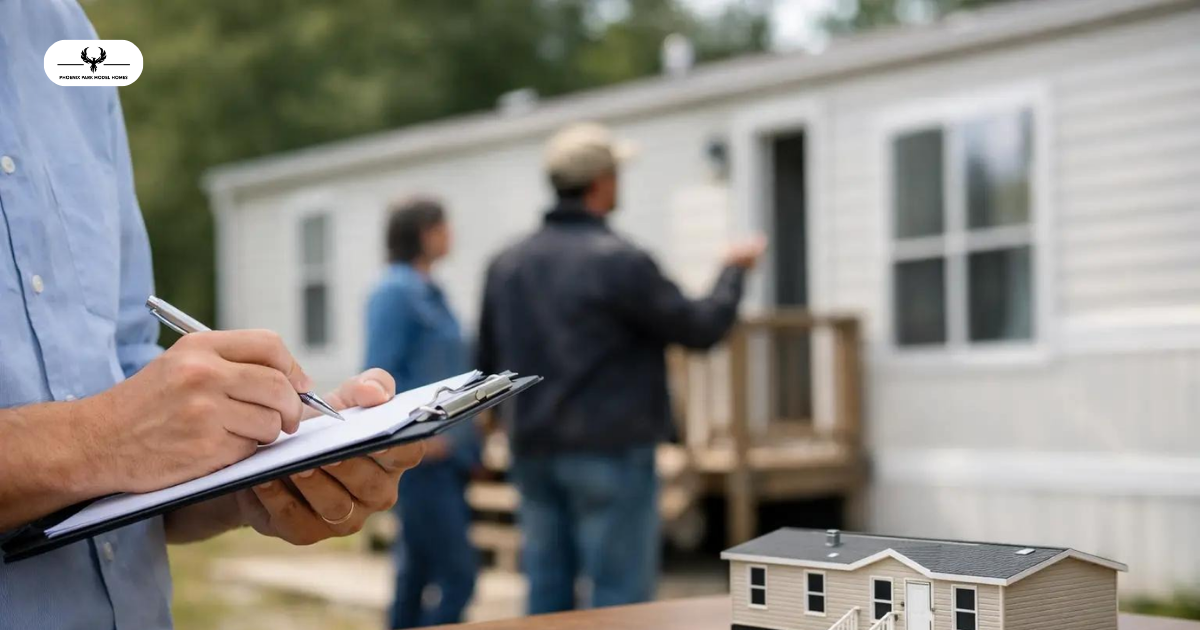
A walkthrough allows you to verify that everything was delivered, installed, and finished as expected. While quality manufacturers work hard to ensure every home leaves the factory in excellent condition, transportation, installation, and utility hookups can occasionally create issues that need attention.
A careful inspection now can save time, frustration, and repair requests later.
Why a Walkthrough Matters
Think of a walkthrough as your chance to confirm that the home you ordered is the home you received.
It’s much easier to identify and document concerns before you begin using the home regularly.
A proper walkthrough helps you:
- Verify installed features and upgrades
- Identify cosmetic damage
- Test major systems
- Confirm appliances operate correctly
- Create a punch list for any necessary adjustments
Rather than rushing through the process, set aside enough time to inspect everything thoroughly.
Start With the Exterior
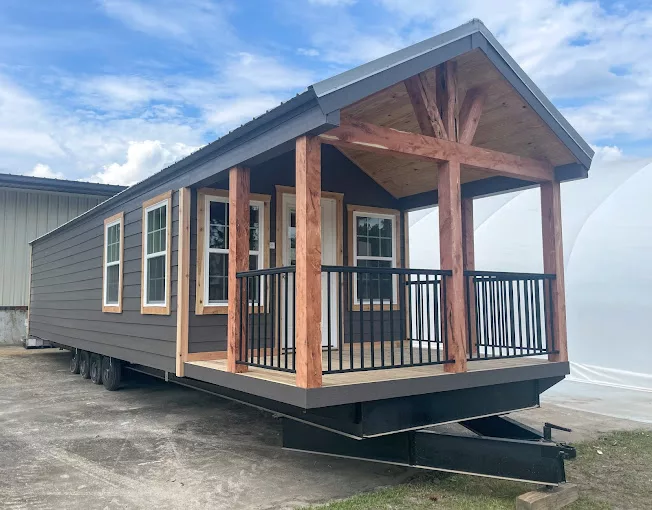
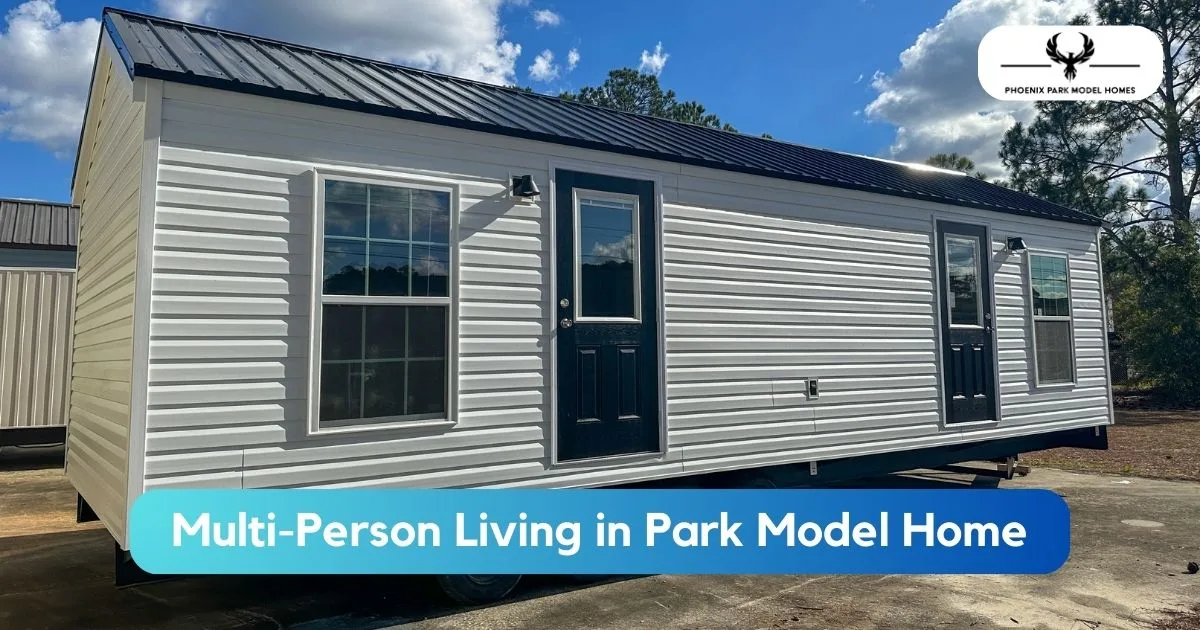
Before stepping inside, walk completely around the home.
Transportation and installation can sometimes cause minor cosmetic issues that are easiest to spot from the outside.
Pay close attention to:
- Siding condition
- Roof appearance
- Trim and molding
- Exterior lights
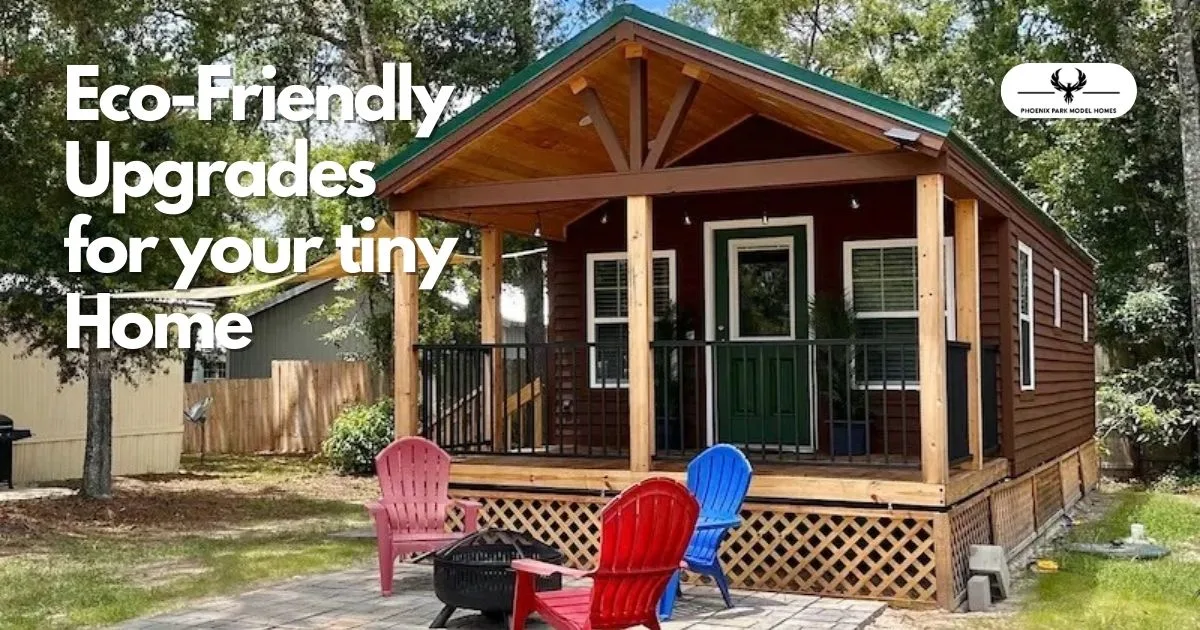
- Skirting (if installed)
- Stairs and decking
Look for dents, scratches, loose trim pieces, or anything that appears damaged during transport.
Inspect Doors and Windows
Doors and windows should open, close, and lock smoothly.
During your walkthrough:
- Open every window
- Test all locks
- Check screens for damage
- Verify weather seals
- Ensure doors align properly
Sometimes settling during transport can cause minor adjustments to be needed.
Examine Walls, Floors, and Ceilings
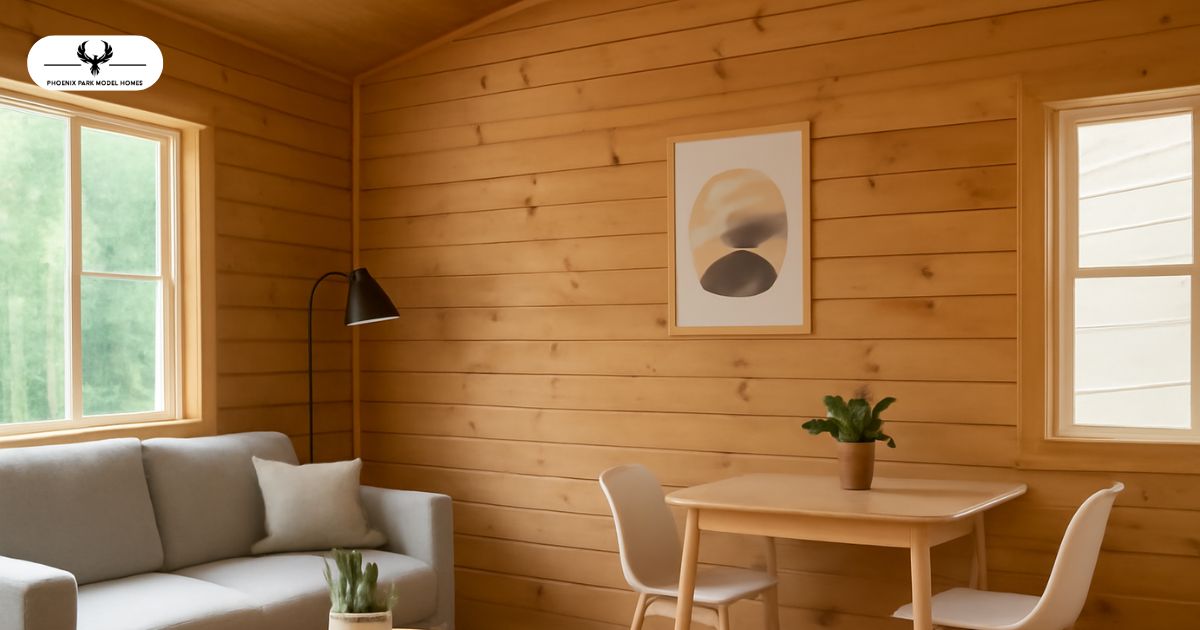
Once inside, take your time inspecting all visible surfaces.
Look for:
- Scratches or dents
- Nail pops
- Flooring damage
- Trim gaps
- Ceiling imperfections
- Paint touch-up needs
Small cosmetic issues are common and can usually be addressed quickly if identified early.
Test Every Light and Electrical Outlet
Electrical systems should be checked before you consider the walkthrough complete.
Turn on every light fixture and test:
- Interior lighting
- Exterior lighting
- GFCI outlets
- Standard wall outlets
- Ceiling fans
Bringing a simple phone charger can make outlet testing quick and easy.
Check Plumbing Fixtures
Water-related issues are among the most important items to inspect.
Run water through:
- Kitchen faucets
- Bathroom sinks
- Shower fixtures
- Toilets
While doing so, look underneath cabinets and around plumbing connections for any signs of leaks.
Pay attention to water pressure and drainage speed as well.
Test Appliances Thoroughly
Many buyers glance at appliances and assume they’re working.
Instead, take a few minutes to test each one.
Depending on your floor plan, this may include:
It’s easier to address appliance concerns before regular use begins.
Verify HVAC Operation
Your heating and cooling system is one of the most important comfort features in the home.
Run both heating and cooling modes if possible.
Listen for:
- Unusual noises
- Weak airflow
- Excessive vibration
Also verify that thermostats function correctly.
Open Every Cabinet and Drawer

Cabinetry can occasionally shift during transportation.
Check:
- Cabinet doors
- Drawer slides
- Hinges
- Latches
Everything should open smoothly and align properly.
This is also a good time to confirm that any upgraded cabinetry or storage features match your order.
Review Your Custom Features
If you selected upgrades or customization options, verify that they were installed correctly.
Examples may include:
- Premium flooring
- Upgraded countertops
- Appliance packages
- Loft configurations
- Built-in storage solutions
- Exterior upgrades
Having your purchase documents nearby can help you compare features quickly.
Don’t Forget the Roof and Undercarriage
Many buyers focus entirely on the interior.
However, it’s worth taking a look at areas that may not be visible every day.
Inspect:
- Roof condition (if safely accessible)
- Flashing
- Gutters
- Utility connections
- Undercarriage areas
- Anchoring systems
Even a quick inspection can identify concerns before they become larger issues.
Create a Punch List

If you notice anything that needs attention, document it immediately.
Include:
- Photos
- Descriptions
- Location of the issue
A punch list helps ensure that any necessary corrections are clearly communicated and addressed efficiently.
Remember, most walkthroughs identify minor adjustments rather than major problems.
Common Walkthrough Issues
The majority of walkthrough findings are cosmetic and easy to correct.
Examples include:
- Small paint touch-ups
- Cabinet adjustments
- Loose trim
- Minor caulking repairs
- Door alignment corrections
Identifying these items early helps ensure your park model is in top condition from day one.
Frequently Asked Questions
How long should a park model walkthrough take?
Most walkthroughs take between one and three hours, depending on the size of the home and how detailed your inspection is.
Should I bring a checklist?
Yes. A checklist helps ensure you don’t overlook important systems or features.
What if I find damage during the walkthrough?
Document the issue with photos and notify the dealer, installer, or manufacturer as soon as possible.
Do I need professional help during the walkthrough?
Most owners can perform a walkthrough themselves, although some buyers prefer to have an experienced contractor or inspector present.
Is it normal to find minor issues?
Yes. Small cosmetic adjustments are not uncommon after transportation and installation.
Conclusion
A park model walkthrough is your final opportunity to ensure everything meets expectations before regular use begins. By taking the time to inspect the exterior, interior, appliances, utilities, and custom features, you can identify minor concerns early and enjoy greater confidence in your investment.
The goal isn’t to find problems; it’s to confirm that your new park model is ready for years of comfortable enjoyment.