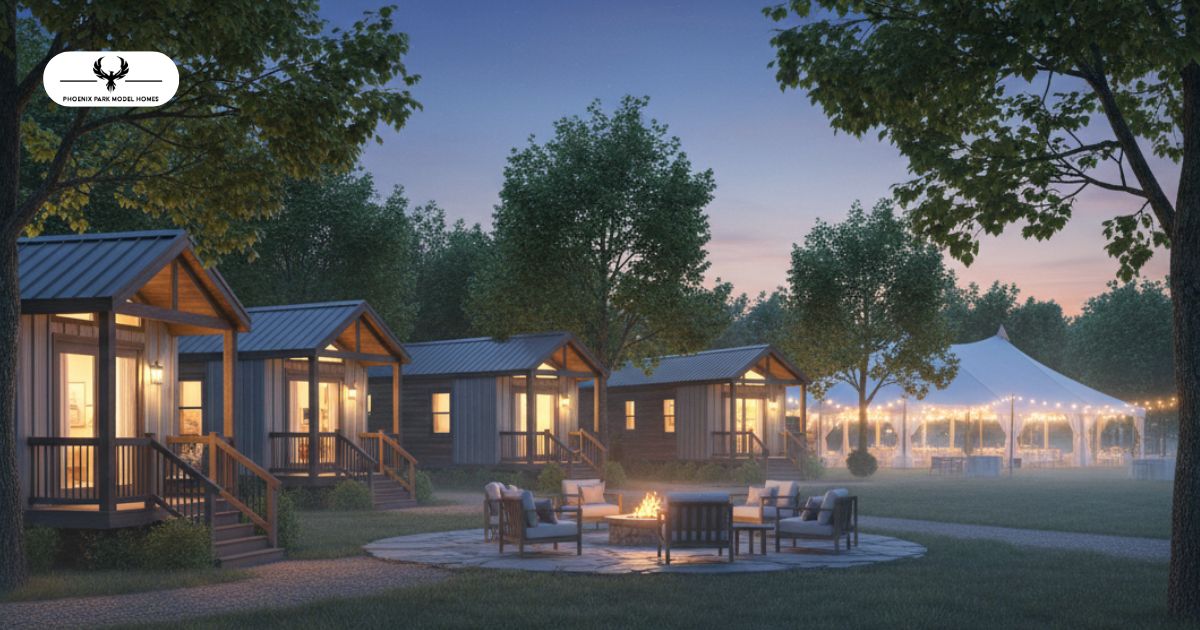


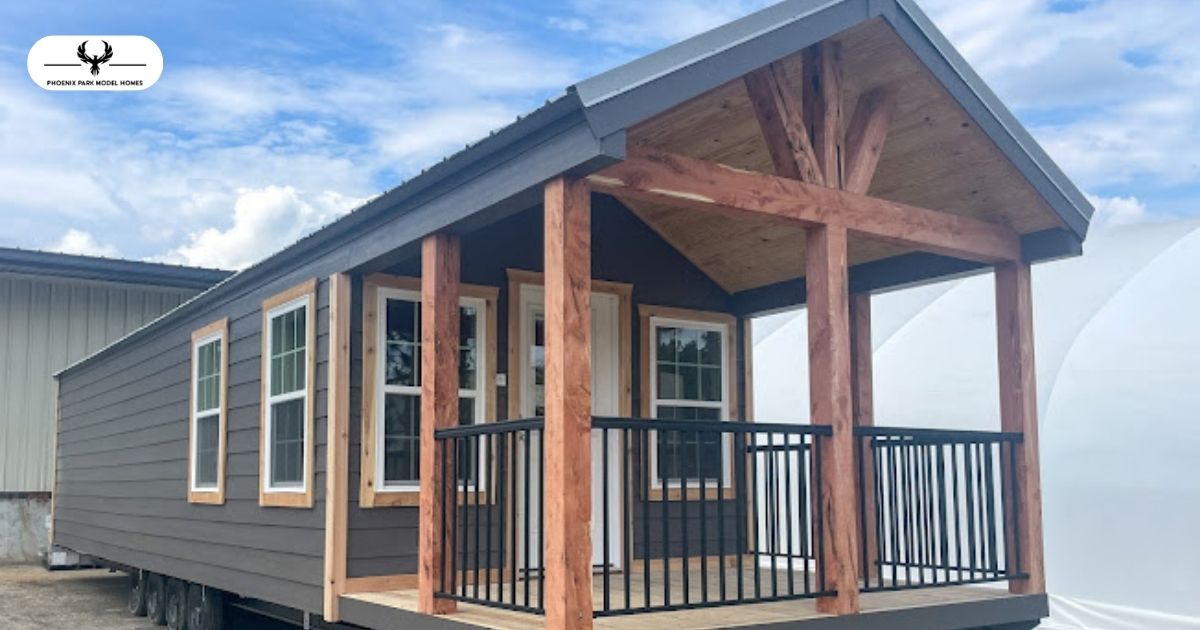
So you’ve got a park model home, and you’re looking at that front or back area thinking, “This needs something.” You’re absolutely right. A good deck or porch can completely transform your park model from just a place to sleep into a real outdoor living space.
But here’s the thing, building a deck for a park model isn’t quite the same as building one for a regular house. These homes are smaller, often in specific communities with rules, and they have their own unique considerations. Let’s walk through everything you need to know to build a deck or porch that works perfectly for your space.
Why Your Park Model Needs a Deck
Before we get into the how, let’s talk about the why. Because honestly, a deck or porch isn’t just about looks.
You’re adding living space without actually expanding your home’s footprint. Park models are compact by design, usually around 400 square feet or less. A deck gives you extra room to spread out, entertain guests, or just sit with your morning coffee without feeling cramped inside.
It creates a transition zone between indoors and outdoors. Instead of stepping directly from your door onto the ground, you’ve got this nice in-between space. It makes your whole setup feel more like a real home and less temporary.
Your property value goes up. If you ever decide to sell your park model, a well-built deck is a huge selling point. People will pay more for a place that already has this feature done right.
You get outdoor living space that’s actually usable. Sure, you could put a chair on the ground, but a deck is level, clean, and way more comfortable. It’s where you’ll end up spending a ton of your time, especially in nice weather.
Understanding the Rules First
Hold up before you start drawing up plans or buying lumber. You’ve got to check the regulations first, and trust us, this step will save you massive headaches later.
Your park or community almost definitely has rules. Most RV parks, tiny home communities, or mobile home parks have specific guidelines about what you can and can’t build. Some require approval before you start. Others have restrictions on size, height, or materials. A few don’t allow permanent structures at all.
Call the park office or check your community handbook. Find out what’s allowed, what needs approval, and if there are any design requirements. Some places want everything to look consistent, so they might specify colors or styles.
Local building codes matter too. Even in a park model community, you might need permits from the city or county. This is especially true if you’re building something large or permanent. Permits seem annoying, but they ensure your deck is safe and built to code. Plus, not having proper permits can cause problems if you sell later.
HOA regulations might apply if your park model is in a community with a homeowners’ association. They often have their own set of rules on top of everything else.
Get all this information before you do anything else. Seriously. Building something and then finding out it violates rules is the worst.
Deck vs. Porch: What’s the Difference?
People use these terms interchangeably sometimes, but they’re actually different things.
A deck is that flat outdoor platform, usually made of wood or composite materials. It’s attached to your park model and sits at or near the same level as your door. Most decks are uncovered and open to the sky.
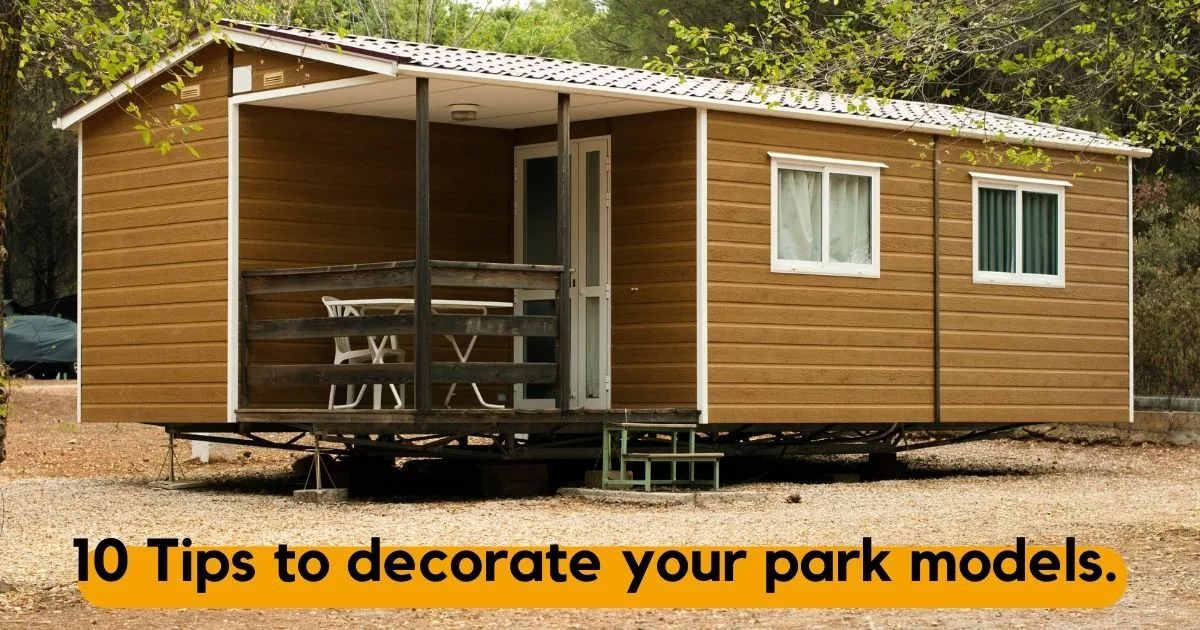
A porch is basically a deck with a roof over it. That roof might be an extension of your park model’s roofline, or it could be a separate structure. Porches give you covered outdoor space, which means you can use them even when it’s raining or super sunny.
Both are great options. Decks are usually simpler and cheaper to build. Porches cost more but give you that protected outdoor room that extends your usable season. Your climate, budget, and personal preference will guide which way you go.
Figuring Out the Right Size
Size matters when you’re planning your deck or porch. Too small and it’s basically useless. Too big and it might overwhelm your park model or violate community rules.
Start with how you’ll use it. Do you just want space for two chairs and a small table? Then maybe 8×10 feet is plenty. Planning to have friends over for barbecues? You’ll want something bigger, maybe 12×16 feet or more.
Consider proportion. Your deck shouldn’t be bigger than your actual park model. That looks weird and throws off the whole aesthetic. A good rule of thumb is to keep your deck at about 20-30% of your home’s square footage.
Think about furniture placement. Sketch out roughly where you want to put chairs, tables, a grill, or whatever else. Make sure you’ve got room to move around comfortably. Nobody wants to squeeze between furniture just to get to the door.
Check those community rules again because many places have maximum size restrictions. You might be dreaming of a massive wraparound deck, but if the rules say 200 square feet maximum, that’s your limit.
Choosing Your Materials
The materials you pick will affect cost, maintenance, and how long your deck lasts. Let’s break down your main options.
Pressure-treated lumber is the most common and affordable choice. It’s wood that’s been treated to resist rot and insects. It’ll last a good 15-20 years if you maintain it properly. The downsides? You need to stain or seal it every few years, and it can warp or crack over time.
Cedar or redwood are naturally rot-resistant and looks beautiful. They’re pricier than pressure-treated lumber, but many people think the appearance is worth it. They still need some maintenance, just not as much as regular treated wood.
Composite decking is made from a mix of wood fibers and plastic. It costs more upfront but requires almost zero maintenance. No staining, no sealing, no splinters. It won’t rot or warp. If you plan to be in your park model for years, composite can actually save you money in the long run.
PVC decking is all plastic and the most durable option. It’s also the most expensive. But it’ll outlast everything else and needs basically no upkeep.
For the structure underneath (the joists and frame), stick with pressure-treated lumber regardless of what you use for the top decking. That structural stuff needs to be tough.
Design Features to Consider
Now for the fun part, deciding what features you want on your deck or porch.
Railings are usually required by code if your deck is more than 30 inches off the ground. Even if they’re not required, they’re a smart safety feature. You can go simple with basic wood railings, or get fancy with metal balusters or cable rails.
Stairs will be necessary if your deck is elevated. Make sure they’re wide enough and have proper handrails. Nobody wants to feel like they’re climbing a ladder just to get to their deck.
Built-in seating is awesome if you’ve got the space and budget. It saves you from buying outdoor furniture and looks clean and integrated.
Skirting around the bottom of your deck hides the space underneath and makes everything look finished. It also keeps animals from setting up camp under there.
Lighting makes your deck usable at night and adds ambiance. Solar lights are easy to install and don’t require wiring. String lights give a cozy vibe.
Roof or pergola turns your deck into a porch. Full roofs give complete coverage. Pergolas provide partial shade and look great, but don’t keep you dry in the rain.
The Building Process
If you’re handy and have built stuff before, you might tackle this as a DIY project. If not, hiring a professional is totally reasonable. Either way, here’s basically how it goes.
Planning and permits come first. Design your deck, get necessary approvals, and buy your materials.
Prepare the site by clearing and levelling the ground where your deck will go.
Build the foundation with concrete footings or deck blocks. This is crucial – a solid foundation prevents your deck from settling, shifting, or collapsing.
Construct the frame with your pressure-treated lumber. This includes the ledger board (attached to your park model), joists, and outer frame.
Install the decking boards, working your way across the frame. Leave small gaps between boards for drainage and expansion.
Add railings and stairs if you’re including them.
Apply any finish like stain or sealant if you’re using wood.
The whole process might take a weekend for a simple small deck, or several weeks for a large covered porch with lots of features.
Maintenance Tips
Once your deck is built, you want it to last as long as possible.
Sweep regularly to prevent dirt and debris buildup. Leaves and pine needles trap moisture and can cause rot.
Clean it thoroughly once or twice a year. Use a deck cleaner and a stiff brush or pressure washer on a gentle setting.
Re-stain or reseal wood decks every 2-3 years, or whenever water stops beading up on the surface.
Check for loose boards or nails periodically and fix them right away.
Inspect underneath occasionally to make sure there’s no rot, insect damage, or structural issues developing.
Trim back vegetation that’s growing too close. Plants touching your deck trap moisture and can cause problems.
Making It Feel Like Home
The last step is adding those personal touches that make your deck or porch really yours.
Comfortable outdoor furniture obviously makes a huge difference. Even budget-friendly options work fine if you pick weather-resistant pieces.
Add some plants in pots. They soften the space and make it feel more alive. Herbs are great if you like to cook.
Outdoor rugs define the space and add color. Make sure you get one designed for outdoor use.
String lights or lanterns create atmosphere for evening relaxation.
A small side table gives you somewhere to set your drink.
Maybe a wind chime or some outdoor art that reflects your personality.
Final Thoughts
Building a deck or porch for your park model is one of the best investments you can make. It expands your living space, increases your home’s value, and gives you a place to actually enjoy being outside.
Start by understanding the rules, plan carefully, choose quality materials, and don’t rush the process. Whether you DIY it or hire help, the result will be worth it. You’ll wonder how you ever lived without that outdoor space where you can relax, entertain, and just enjoy life in your park model home.