

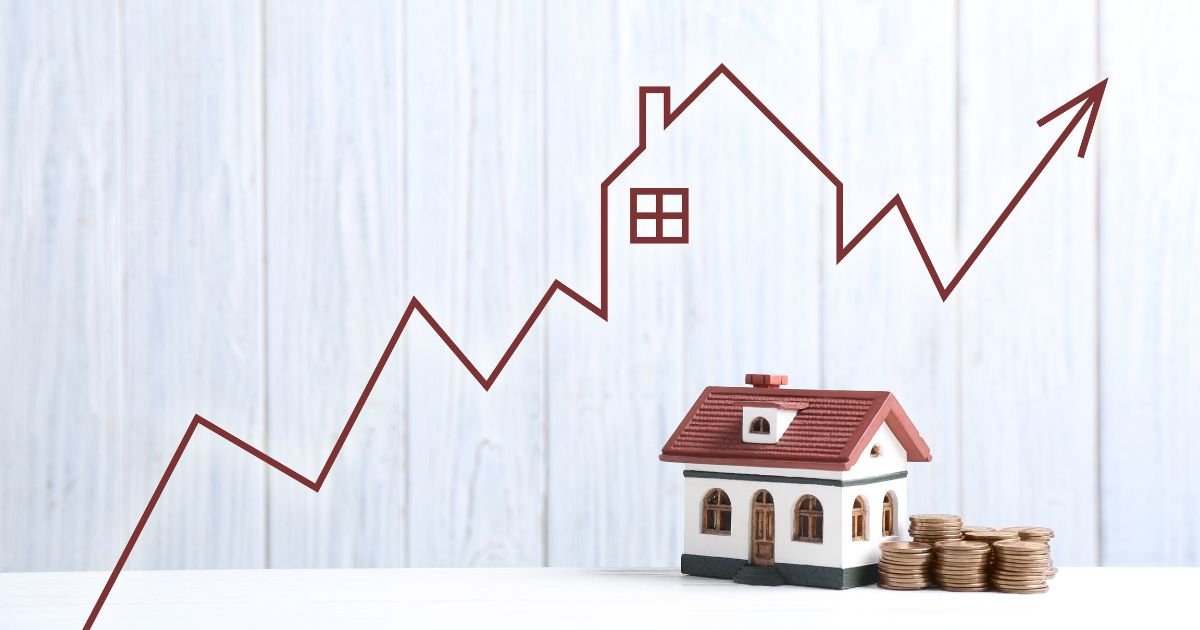
Let’s cut straight to it–no, park models don’t typically appreciate like traditional real estate. If you’re hoping your park model will gain value the way houses in hot markets do, you’re going to be disappointed.
But that’s not the whole story.
The real question isn’t whether park models appreciate. It’s whether they can hold value, under what circumstances, and how to think about them financially. Because once you understand the economics properly, you might realize appreciation isn’t even the right metric to focus on.
Why Park Models Depreciate (Usually)
Park models are classified as RVs, not real property. That classification matters enormously for value retention.
Like cars, boats, and traditional RVs, park models lose value the moment they leave the factory. First-year depreciation can be 15-20%. Over five years, you might see 30-40% depreciation on average. After ten years, a park model might retain 50-60% of its original purchase price.
This happens for several reasons. Manufacturing advances mean newer models often have better features, materials, and designs at similar price points. Wear and tear accumulate; even well-maintained park models show age. And buyer psychology plays a role. People tend to prefer new or nearly new when buying something this significant.
The market for used park models is also less liquid than traditional housing. Finding buyers takes longer. Pricing is harder because comparable sales data is limited. You can’t just look up recent sales in your neighborhood like you would with a house.
The Exceptions That Prove Interesting
However, and this is important, depreciation isn’t universal or inevitable. Some park models hold value remarkably well. A few even appreciate over time under specific circumstances
Location drives everything. A park model in a desirable resort community with limited availability can hold value better than one in an oversupplied market. If demand outpaces supply in your specific location, basic economics work in your favor. Premium lakefront spots, popular mountain communities or exclusive resort areas create competitive markets where used units sell at strong prices.
Rising Construction and Labor Costs. Rising construction and labor costs can also influence appreciation, especially in high-demand areas. As material costs and labor expenses increase, park models can actually appreciate in value over time due to the rising cost of construction and limited availability in certain markets. This makes park models an attractive long-term investment in areas with growing demand, even as they may otherwise depreciate.
Quality construction matters long-term. Park models built by reputable manufacturers like Phoenix with quality materials and solid construction hold value better than cheaply-built units. After ten years, the difference between a well-built model and a budget option becomes obvious. Buyers pay premiums for units they can see will last.
Maintenance is everything. A meticulously maintained 8-year-old park model can command better prices than a neglected 3-year-old unit. Regular upkeep, timely repairs, preventive maintenance, and careful cosmetic updates preserve value. Deferred maintenance accelerates depreciation dramatically.
Upgrades can help strategically. Not all improvements add value, but some do. Energy-efficient upgrades, quality appliances, tasteful interior updates, and well-executed additions like decks or porches can increase resale value. The key is avoiding over-customization that limits your buyer pool.
Market timing plays a role. Like any market, timing affects prices. Selling during peak season in a vacation area versus off-season can mean thousands of dollars difference. Economic conditions, interest rates, and housing market dynamics all influence what buyers will pay.
The Land Variable
Here’s where things get interesting. If you own the land your park model sits on, you’re in a fundamentally different situation.
The land can appreciate even if the structure depreciates. In desirable areas with growing demand, land values might rise 3-5% annually or more. Your total investment, land plus park model, could appreciate even while the structure itself loses value.
This is how some park model owners see actual appreciation. They bought land for $50,000, added a $60,000 park model, and five years later the land is worth $75,000 even though the park model has depreciated to $50,000. Total investment: $110,000. Current value: $125,000. That’s appreciation, just not where you might expect it.
Conversely, if you’re paying lot rent in a community, you own only the depreciating asset. The community owns the appreciating land. This is fine for some situations, but changes the value equation significantly.
Comparing to Alternatives
Park models look better when compared fairly to other housing options rather than traditional real estate.
Versus traditional RVs: Park models actually hold value better than travel trailers and most motorhomes. RVs can lose 20-30% of value in the first year alone. Park models depreciate more slowly because they’re less mobile, built for longer-term placement, and constructed more like small homes than vehicles.
Versus apartments: You’re building equity in a park model instead of paying rent with zero return. Even if your park model depreciates, you’re still better off financially than renting an apartment for the same period. You can sell and recoup most of your investment. Rent money is simply gone.
Versus traditional homes in some markets: In very expensive housing markets, a park model plus land might cost $150,000 total, while comparable traditional housing runs $400,000-$600,000. Even with depreciation, your cost of ownership is dramatically lower, freeing resources for other investments that do appreciate.
The Real Financial Question
Whether park models are appreciated misses the more important question: do they make financial sense for your situation?
Consider total cost of ownership. A park model that depreciates 30% over five years but costs $600 monthly to own (including lot rent or land costs) versus an apartment at $1,500 monthly, you’re still ahead financially by roughly $50,000 over that period, even after depreciation.
Or compare to traditional homeownership. Yes, houses often appreciate, but they also cost more upfront, require substantial maintenance, carry higher insurance and taxes, and tie up capital that could be invested elsewhere. The opportunity cost of that additional capital might exceed any appreciation advantage.
For vacation properties, the calculation is different entirely. Does the use value justify the cost? If your park model provides wonderful family vacations and memories for years, does depreciation matter? You’re not buying an investment property; you’re buying experiences and lifestyle.
Strategies to Minimize Value Loss
If maximizing resale value matters to you, several strategies help:
Buy quality from reputable manufacturers. The upfront premium pays dividends in slower depreciation and easier resale. Choose popular floor plans and neutral aesthetics that appeal broadly rather than highly personalized designs. Maintain meticulously and document everything. Buyers pay more when they see care and attention.
What Park Models Offer Instead
Since we’ve established appreciation is unlikely, what do park models offer financially?
Lower entry cost means less capital tied up and lower opportunity cost. Reduced ongoing expenses, freeing up monthly cash flow for other purposes. Flexibility to relocate if needed preserves options that traditional homeownership limits. And simpler finances mean less stress and more predictable budgeting.
For many owners, these benefits outweigh appreciation potential. The goal isn’t maximum investment return; it’s comfortable, affordable living that supports the lifestyle they want.
The Honest Assessment
Park models are consumption purchases that happen to retain reasonable value, not investment vehicles primarily bought for appreciation. Thinking of them as the former rather than the latter sets appropriate expectations.
Will your park model gain value? Probably not significantly. Could it hold value reasonably well? Yes, especially with quality construction, good location, and excellent maintenance. Will you lose your entire investment? Almost certainly not; park models aren’t cars, and depreciation has limits.
The real question is whether the lifestyle benefits, cost savings, and flexibility justify the purchase even assuming some depreciation. For most park model owners, the answer is yes. They’re not buying for appreciation; they’re buying for life quality, financial flexibility, and the freedom that comes from simpler living.
Making Peace with Depreciation
Once you accept that appreciation isn’t the goal, you’re free to make better decisions. You can choose based on what you’ll actually enjoy rather than resale value. You can customize thoughtfully. You can use and love your space without worrying constantly about maintaining investment value.
Park models serve their owners best when viewed as tools for living well rather than financial instruments for wealth building. They enable lifestyles, create memories, provide security, and offer flexibility. Those benefits have real value even if they don’t show up in appreciation calculations.
Does your park model need to appreciate to be worth buying? Only if you’re treating it primarily as an investment, and honestly, there are better investment vehicles available. But if you’re looking for affordable, comfortable, flexible housing that supports the life you want to live? Appreciation becomes a bonus rather than a requirement.