

You’ve probably heard both terms thrown around, maybe even used interchangeably. But they’re actually quite different, and understanding those differences matters if you’re exploring compact living options.
Both represent responses to the same pressures: rising housing costs, a desire for simpler lifestyles, and a growing appetite for flexibility. But they take different approaches to solving similar problems.
Let’s break down what each option offers and help you figure out which might be the right fit for your situation.
| Aspect | Nano Homes | Park Model Homes |
| Living Duration | Short-term | Long-term |
| Comfort Level | Basic, functional | Residential-grade |
| Community Fit | Urban or student settings | Resorts, private properties |
| Customization | Limited | Extensive (layout, finishes, decks) |
| Utilities | Basic or shared | Full hookups and HVAC |
What Exactly Are Nano Homes?
Nano homes are the newest kids on the small housing block. Think of them as the extreme minimalists of the tiny living world, typically under 300 square feet, and sometimes much smaller. We’re talking spaces that make efficiency an art form.
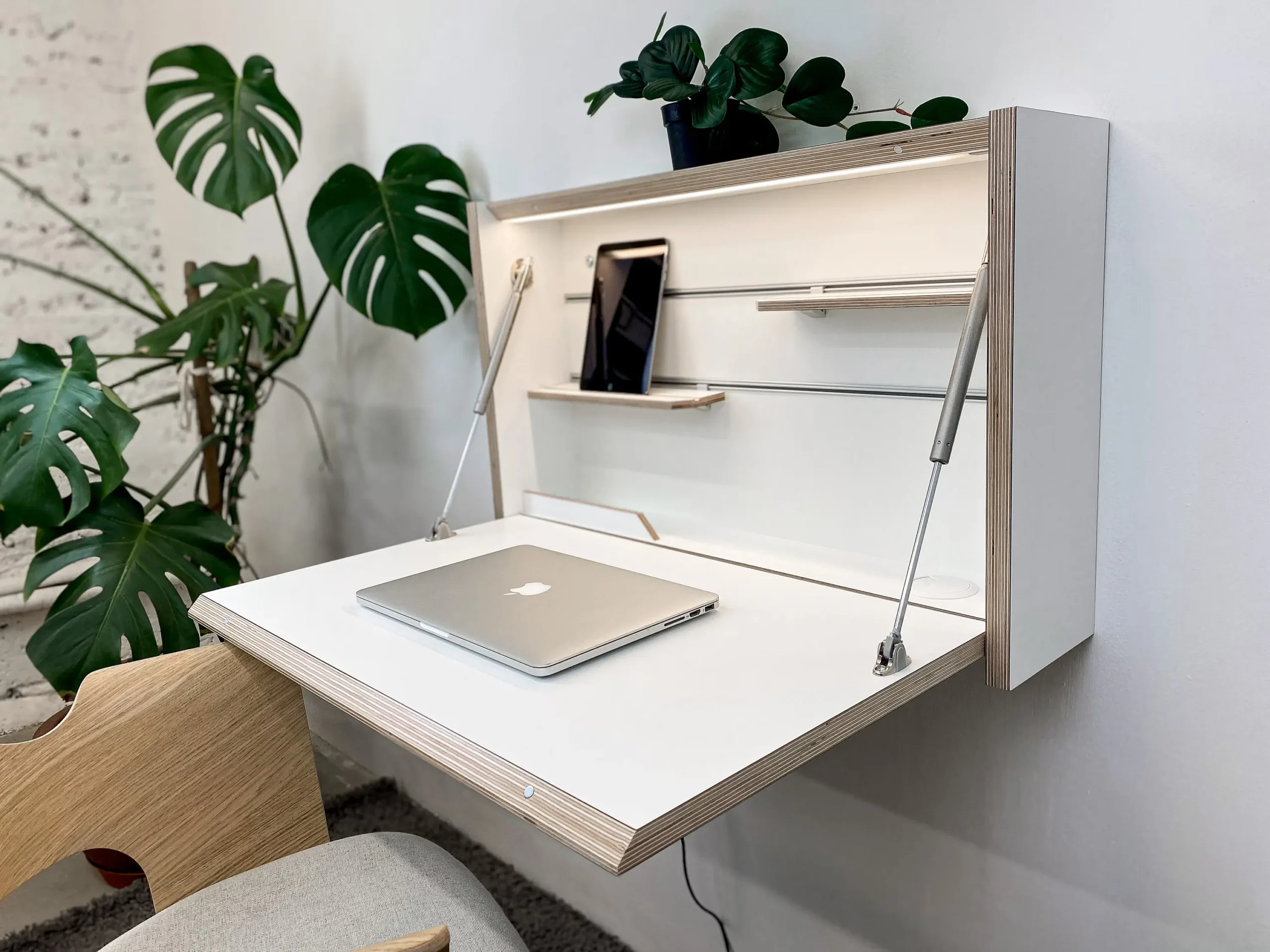
These homes push the boundaries of how small you can go while maintaining basic living functions. They often feature incredibly clever design, Murphy beds that fold into walls, dining tables that convert to desks, stairs with built-in storage, and kitchens that pack full functionality into impossibly tight spaces.
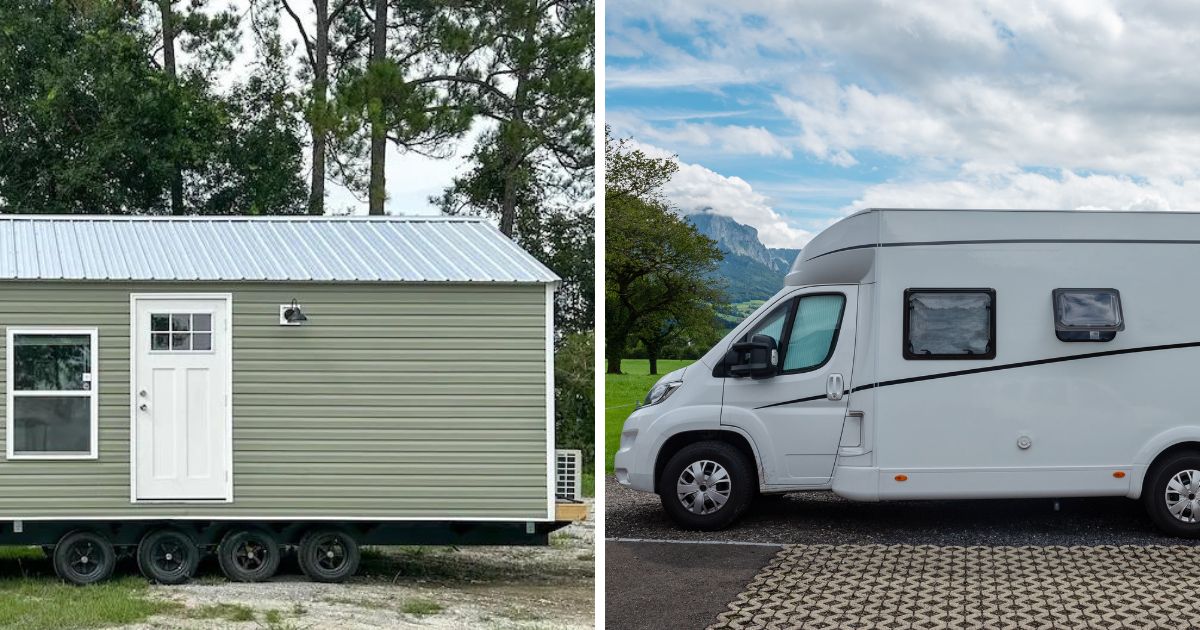
Nano homes are usually permanent structures built on foundations, though some are constructed on trailers for mobility. They’re often designed by architects or specialized builders who obsess over every inch of space. The aesthetic tends toward ultra-modern minimalism, though styles vary.
The appeal is partly philosophical. Nano home enthusiasts embrace radical downsizing as a lifestyle choice. It’s about challenging assumptions of how much space humans actually need and finding freedom in extreme simplicity.
Understanding Park Models
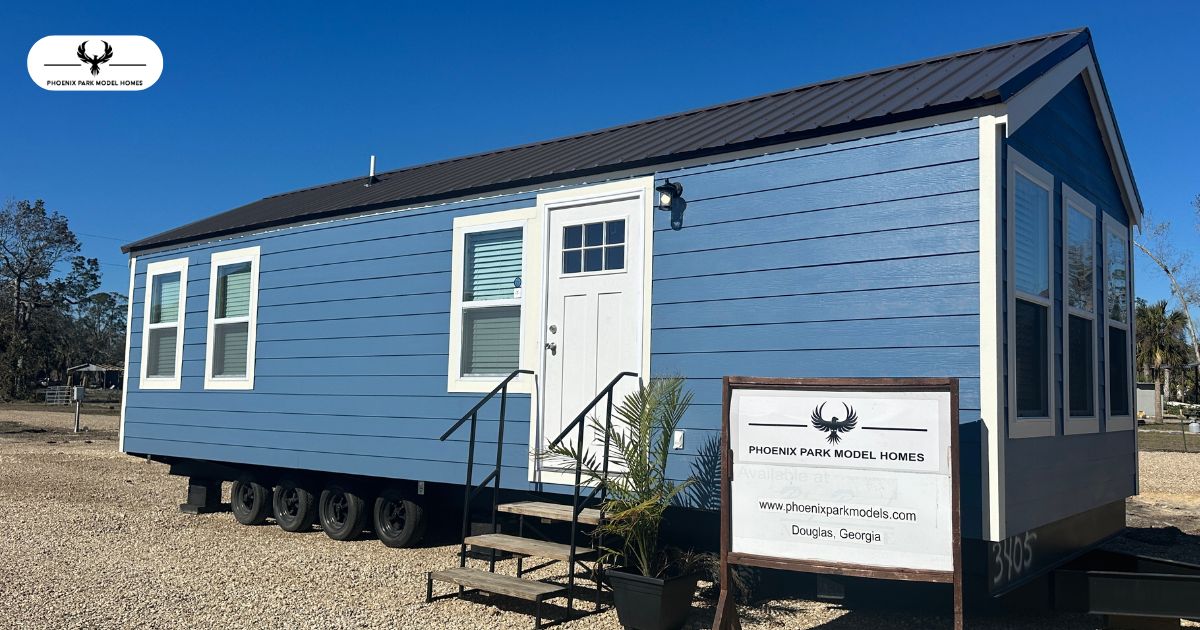
Park models occupy a different niche. These are recreational vehicles built to ANSI standards, typically maxing out at 400 square feet. They’re designed to be transported to a site and then stay put for extended periods, though they remain mobile if needed.
The key distinction is that park models are built on chassis with wheels. They’re classified as RVs, which affects everything from where you can place them to how they’re financed and insured. This classification brings both advantages and limitations.
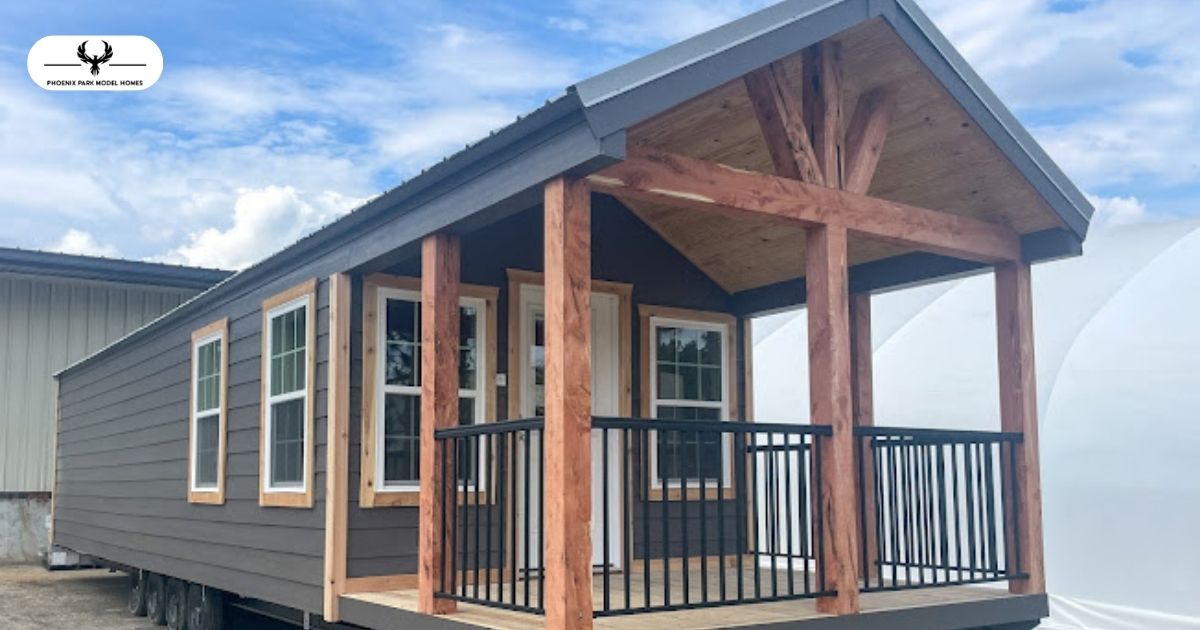
Park models generally feel more like traditional small homes inside. You’ll find standard appliances, full bathrooms, separate sleeping areas, and layouts that prioritize livability over extreme space efficiency. They’re designed for people who want to downsize but aren’t interested in the ultra-minimalist lifestyle.
The park model market has matured significantly. You can find everything from basic models to luxury versions with high-end finishes, smart home technology, and thoughtful design that rivals conventional homes.
Size and Space Philosophy
Here’s where the philosophies diverge noticeably.
Nano homes embrace the constraint of extreme smallness. Every design decision revolves around maximizing limited space. You’ll see vertical storage solutions, multi-function furniture, and layouts that require intentional living. There’s often a learning curve, you need to adapt your habits to the space.
Park models offer more breathing room. That extra 100 square feet between a 300-square-foot nano home and a 400-square-foot park model makes a bigger difference than you might think. Park models generally allow for more conventional living patterns without requiring the same level of lifestyle adjustment.
This affects who each option suits. Nano homes appeal to singles or couples comfortable with minimalist living who view the space constraint as a positive feature. Park models work better for people who want smaller living without the extreme compromises, maybe retirees, vacation home seekers, or anyone wanting to downsize gradually.
Mobility and Placement
The mobility question separates these options significantly.
Park models are designed to move, even if most only transport once or twice in their lifetime. They’re built on trailers with proper road-worthy chassis, lighting, and safety features. You can relocate them if you buy land elsewhere, move to a different RV community, or need to evacuate for natural disasters.
This mobility comes with the advantage of RV classification in many jurisdictions. You can place park models in RV parks, campgrounds, and sometimes on land where permanent structures face more restrictions.
Nano homes built on foundations are permanent. Once they’re placed, moving them requires significant effort and expense. This permanence means they’re subject to standard building codes, zoning regulations, and permitting processes. Nano homes on trailers offer mobility similar to park models but often lack the same ease of transport.
Regulatory and Legal Considerations
This is where things get complicated and location-dependent.
Park models benefit from established RV regulations in many areas. There’s an existing framework for where they can be placed and how they’re classified. But this same classification can be limiting. Some communities prohibit RVs as permanent residences or restrict how long you can occupy them.
You’ll likely face fewer building code requirements with park models since they’re built to RV standards rather than residential codes. This can mean faster, less expensive installation. However, financing and insurance operate under RV rules rather than traditional mortgages and homeowner policies.
Nano homes on foundations must meet local building codes like any other house. This means more paperwork, inspections, and potentially higher costs for compliance. But it also means they’re fully legal permanent residences once approved, with none of the occupancy restrictions some park models face.
Zoning is the wild card for both. Some progressive communities embrace small homes through specific tiny house ordinances. Others haven’t caught up, leaving both nano homes and park models in regulatory gray areas.
Cost Comparison
Pricing is tricky to compare directly because the markets operate differently.
Park models from established manufacturers typically start around $43,000 for basic models and can exceed $100,000 for luxury versions with extensive customization. These prices generally include the complete home ready for site installation, though delivery, setup, and site preparation are additional costs.
Nano homes vary wildly in cost depending on whether you’re buying a pre-designed model, commissioning a custom build, or building it yourself. DIY nano home builders might spend $20,000 to $40,000 on materials. Professional custom builds often run $60,000 to $150,000 or more, with luxury versions reaching even higher.
The cost per square foot tends to be higher for nano homes than park models, partly because of the custom nature and partly because extreme miniaturization requires specialized solutions that don’t benefit from mass production economies.
Lifestyle and Practical Living
Day-to-day life differs between these options in ways that matter long-term.
Park models generally accommodate more conventional living patterns. You can store a reasonable amount of belongings, cook full meals without elaborate space choreography, and host a few guests without everyone feeling cramped. The layouts usually include actual doors separating sleeping and living areas.
Nano homes require more intentional living. You’ll need to be disciplined about belongings; there’s simply no space for excess. Cooking might involve setting up and putting away more frequently. Having guests overnight gets creative. Everything needs a specific place, and putting things away becomes non-negotiable.
For some people, the nano home lifestyle is liberating. The constraints force clarity about what matters and eliminate the tendency to accumulate unnecessary stuff. For others, it feels restrictive and stressful, particularly if more than one person lives in the space.
Which Option Is Trending?
Both are gaining traction but appealing to different demographics and for different reasons.
Park models are experiencing strong growth in the retirement market. Baby boomers downsizing but wanting comfortable, manageable spaces are driving significant demand. The vacation home and resort rental markets are also embracing park models enthusiastically.
Nano homes are capturing imagination among younger demographics, urban dwellers priced out of conventional housing, and people drawn to minimalist lifestyles. They’re getting significant media attention and social media love, which builds awareness even if actual adoption remains relatively niche.
The reality is that park models likely represent the larger market by volume. They’re more accessible, less extreme, and easier to finance and place legally. But nano homes are influencing the conversation about housing, challenging assumptions, and inspiring innovation.
Making Your Choice
So which should you choose? It depends entirely on your specific situation, preferences, and constraints.
Consider park models if you want downsizing without extreme lifestyle changes, value the option to relocate, prefer working with established manufacturers, or plan to place your home in an RV community.
They’re particularly worth exploring if you’re retiring, want a vacation property, or simply prefer more straightforward buying and placement processes. Looking at different floor plan options can help you understand what’s possible within the 400-square-foot footprint.
Consider nano homes if you’re truly excited about minimalist living, want an architectural statement, own land where you can build, or want maximum customization. They make sense if you’re comfortable with more complex permitting processes and potentially higher per-square-foot costs in exchange for exactly the space you envision.
Final Thoughts
Nano homes and park models are complementary options addressing different needs within the small living spectrum. Understanding what each offers helps you make informed decisions about which path aligns with your priorities.
The real trend is the growing acceptance that good housing doesn’t require maximum square footage. Whatever form your compact living takes, you’re part of a shift toward more intentional, sustainable, and personally meaningful housing choices.
For buyers, investors, and developers seeking modern living solutions with real-world functionality, Phoenix Park Models offers thoughtfully designed, energy-efficient models that reflect the future of housing.