

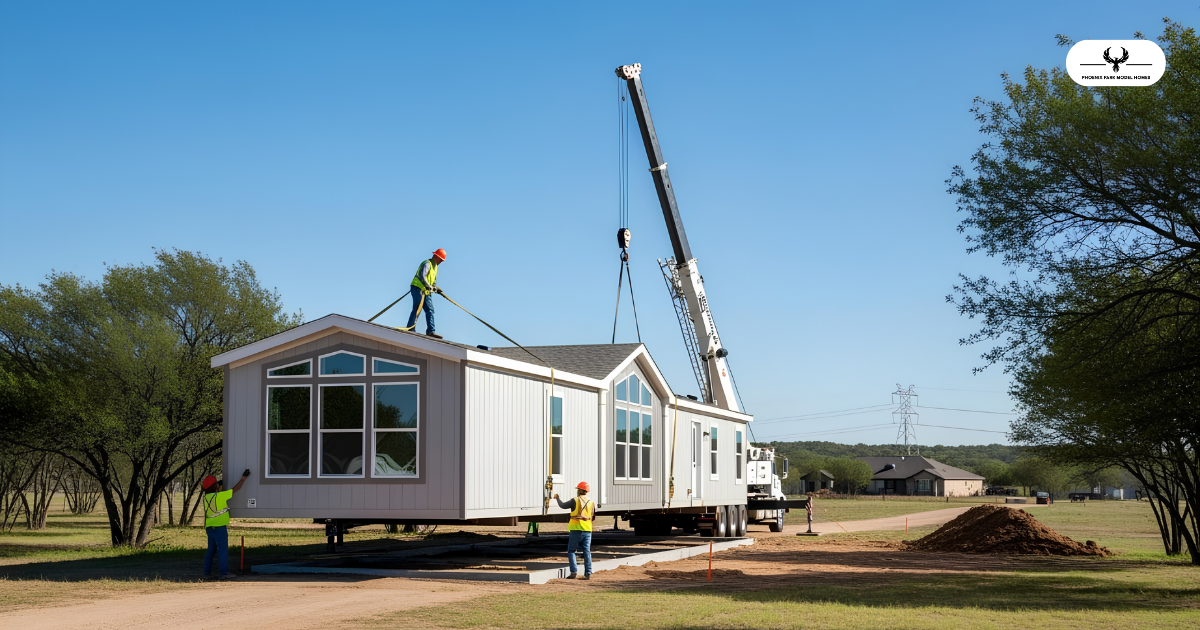
One of the most common questions buyers ask before delivery is surprisingly simple:
“What should I place my park model on?”
The answer isn’t always straightforward. Some property owners want the most affordable option. Others prioritize long-term stability, easier maintenance, or protection against moisture and shifting soil.
The foundation you choose affects far more than installation day. It can influence drainage, structural support, accessibility, maintenance requirements, and even future relocation options.
The three most common foundation choices for park model homes are gravel pads, concrete slabs, and pier foundations. Each has advantages depending on your property, climate, budget, and long-term plans.
Let’s examine how they compare.
Why the Foundation Matters
A park model may be compact, but it still represents a significant investment.
A properly prepared foundation helps:
- Provide stable structural support
- Improve drainage around the home
- Reduce settling issues
- Protect utility connections
- Extend the lifespan of the structure
Choosing the wrong foundation can create avoidable problems that become expensive to fix later.
Gravel Pad Foundations
A gravel pad is one of the most common and cost-effective foundation options for park models.
The site is excavated, leveled, and filled with compacted gravel to create a stable base beneath the home.
Advantages of Gravel Pads
The biggest advantage is affordability. Gravel pads generally require less material and labor than concrete foundations.
They also offer excellent drainage. Water naturally moves through gravel instead of collecting underneath the home, reducing moisture-related concerns.
Another benefit is flexibility. If a park model needs to be relocated in the future, a gravel pad is easier to modify or remove than a permanent concrete installation.
Potential Drawbacks
Over time, gravel may require periodic leveling, especially in areas with unstable soil or heavy rainfall.
Improperly compacted gravel can also lead to settling issues, making professional site preparation important.
Best For
Gravel pads are often ideal for:
- Seasonal park models
- Campgrounds and RV resorts
- Rural properties
- Owners seeking a lower-cost foundation solution
Concrete Slab Foundations
A concrete slab provides a solid, permanent surface beneath the park model.
Many homeowners prefer slabs because they create a clean, finished appearance and offer exceptional stability.
Advantages of Concrete Slabs
Concrete provides one of the most stable foundation options available.
Because the surface remains level and rigid, there is less risk of shifting or settling over time when properly installed.
Slabs also simplify maintenance around the home. Weed growth is reduced, and the area underneath remains clean and accessible.
In some locations, a concrete slab may also improve resale appeal because buyers often view it as a premium installation.
Potential Drawbacks
The biggest downside is cost. Concrete foundations typically require greater upfront investment than gravel pads.
Drainage planning is also critical. Without proper grading, water can collect around the slab and create future issues.
Additionally, concrete is less flexible if you decide to relocate the park model later.
Best For
Concrete slabs are often preferred for:
- Long-term installations
- private property placements
- Vacation homes
- Owners seeking maximum stability
Pier Foundations
Pier foundations elevate the park model above ground using a series of support piers placed beneath the structure.
This system creates an open space underneath the home.
Advantages of Pier Foundations
One major advantage is accessibility.
Because the home sits above the ground, utilities, plumbing, and structural components are easier to inspect and maintain.
Pier systems also perform well on uneven or sloped properties where creating a perfectly level pad might be difficult or expensive.
In regions with moisture concerns, elevating the structure can improve airflow beneath the home and reduce exposure to standing water.
Potential Drawbacks
Pier foundations often require more precise engineering and installation than gravel pads.
Additional skirting may also be needed to improve appearance and protect the area underneath the home.
Best For
Pier foundations are commonly used for:
- Sloped sites
- Flood-prone areas
- Uneven terrain
- Properties requiring utility access beneath the home
Side-by-Side Foundation Comparison
Which Foundation Is Right for Your Property?
The best foundation depends on your goals.
If affordability and future flexibility are your priorities, a gravel pad often makes the most sense.
If you’re creating a permanent vacation retreat or placing your park model on private property for many years, a concrete slab may provide the stability you’re looking for.
If your property has uneven terrain, flooding concerns, or requires easier access to utilities, pier foundations can offer significant advantages.
Rather than choosing based solely on cost, consider how you plan to use the home over the next decade.
Factors to Consider Before Making a Decision

Climate
Heavy rainfall, snow accumulation, and freeze-thaw cycles can influence foundation performance.
Soil Conditions
Stable soil may support multiple foundation options, while softer soils may require additional engineering.
Long-Term Plans
Will the home remain in one location permanently, or might you relocate it later?
Budget
Initial installation costs matter, but so do maintenance and long-term performance.
Local Regulations
Some municipalities, campgrounds, or communities may have specific foundation requirements for park model installations.
Frequently Asked Questions
Is a concrete slab required for a park model home?
No. Many park models are successfully installed on gravel pads or pier systems. Requirements vary based on location and site conditions.
What is the most affordable foundation option?
A gravel pad is typically the most budget-friendly foundation option.
Which foundation lasts the longest?
A properly installed concrete slab generally provides the longest-lasting and most permanent solution.
Are pier foundations safe?
Yes. When professionally engineered and installed, pier foundations provide excellent support and stability.
Can a park model be moved after installation?
Yes. Gravel pads generally make relocation easier, while concrete slabs are more permanent.
Conclusion
There is no one-size-fits-all answer when it comes to park model foundations. Gravel pads, concrete slabs, and pier systems each serve different needs and property types.
The right choice depends on your budget, site conditions, climate, and long-term plans for the home. Taking the time to evaluate these factors before delivery can help ensure a smoother installation and years of trouble-free ownership.
Explore our park model homes today and discover the quality, comfort, and flexibility that make Phoenix Park Models a trusted choice across the country.