

Your campground is profitable. Sites fill up during peak season. The RV crowd loves what you offer.
But you’re leaving money on the table.
Every weekend, you turn away people who don’t own RVs. Every shoulder season, occupancy drops because transient campers head home. Every year, potential revenue disappears because your business depends entirely on people who already own recreational vehicles.
Park models change that equation completely.
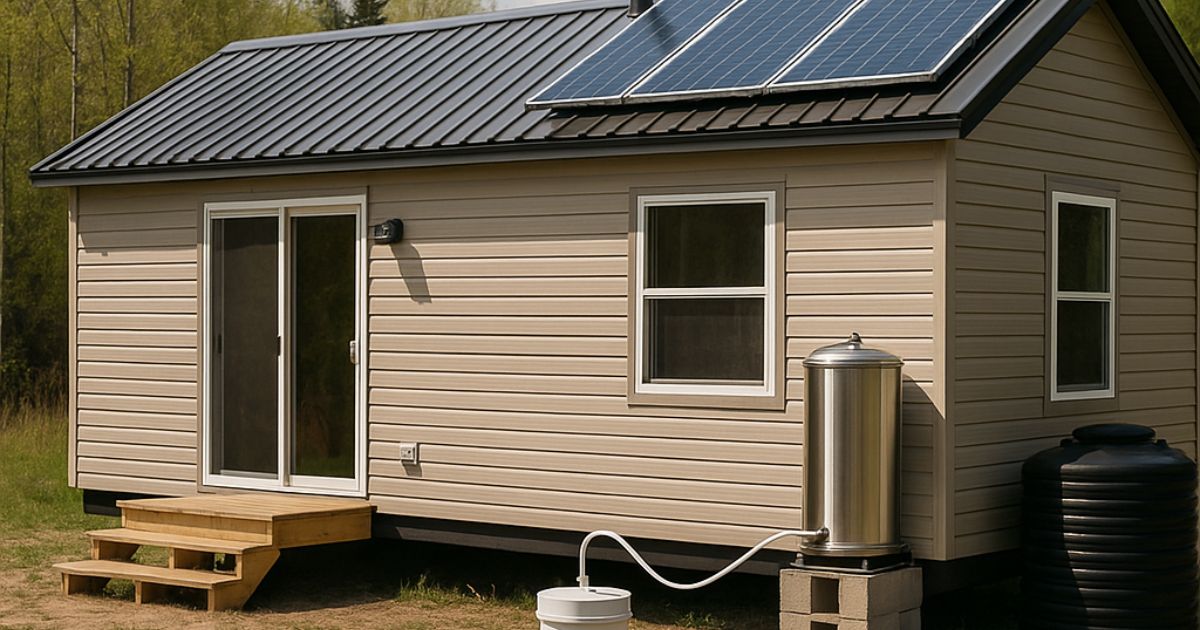
They transform your campground from a place RV owners visit into a destination anyone can book. They turn seasonal operations into year-round revenue. They create passive income from sites that would otherwise sit empty.
The math is compelling enough that campground owners across the country are adding park models as fast as they can acquire them.
The Revenue Problem You’re Already Living With
Traditional campgrounds operate on thin margins with frustrating limitations.
You’re entirely dependent on transient guests who bring their own accommodations. When they don’t show up, bad weather, economic downturns, or gas price spikes, your revenue craters. You can’t control who visits or when they visit.
Seasonality crushes cash flow. Summer prints money. Spring and fall do okay. Winter? You’re basically closed or operating at massive losses unless you’re in Florida or Arizona.
Site rental rates have a ceiling. Charge too much and RVers go elsewhere. Your pricing power is limited because you’re competing with every other campground offering essentially the same product, a pad with hookups.
The guests who would pay premium rates often don’t own RVs. Families wanting weekend getaways, couples celebrating anniversaries, friend groups planning reunions, they have money to spend but no way to stay at your property because they don’t own $80,000 motorhomes.
Park models solve all of this.
What Park Models Actually Do for Your Bottom Line
Adding park models fundamentally changes your campground economics in ways that compound over time.
You’re no longer dependent on RV owners. Anyone can book your park model units. Families without RVs. Young couples who’ve never camped. Corporate groups need retreat space. Your potential customer base expands from “people who own RVs” to “everyone wanting a nature getaway.”
You control inventory and quality. With traditional sites, you have no idea what shows up. Park models mean every rental unit meets your standards, matches your aesthetic, and provides consistent quality guests can rely on.
Premium pricing becomes justified. You can charge $150-$300 per night for park model rentals versus $45-$75 for RV sites. Guests pay gladly because you’re offering complete accommodations, not just parking with hookups. That’s 3-4x revenue per square foot.
Shoulder seasons generate income. Transient RVers disappear in October. Park model renters book cozy fall weekends. Winter? Market it for holiday getaways or remote work retreats. You’re not seasonal anymore.
Length of stay increases. RV travelers typically stay 1-3 nights. Park model guests often book entire weeks or monthly stays. Longer stays mean less turnover and more consistent revenue.
Marketing becomes easier. You can advertise on Airbnb, VRBO, and booking platforms where your traditional campground couldn’t compete. You’re accessing entirely different customer segments.
The Math That Makes This Real
Let’s run actual numbers.
Adding four park models to your campground:
Initial investment:
- Four park models at $55,000 each: $220,000
- Site prep, utilities, landscaping: $40,000
- Furnishings: $12,000
- Total: $272,000
Revenue projection (conservative):
- Average nightly rate: $175
- Occupancy year one: 60% (219 nights)
- Annual gross per unit: $38,325
- Four units total: $153,300
Operating costs per unit annually:
- Cleaning: $4,500
- Utilities: $1,800
- Maintenance: $2,000
- Supplies: $1,500
- Insurance: $800
- Platform fees: $3,000
- Total per unit: $13,600
Net income: $98,900 annually
That’s 36% cash-on-cash return in year one.
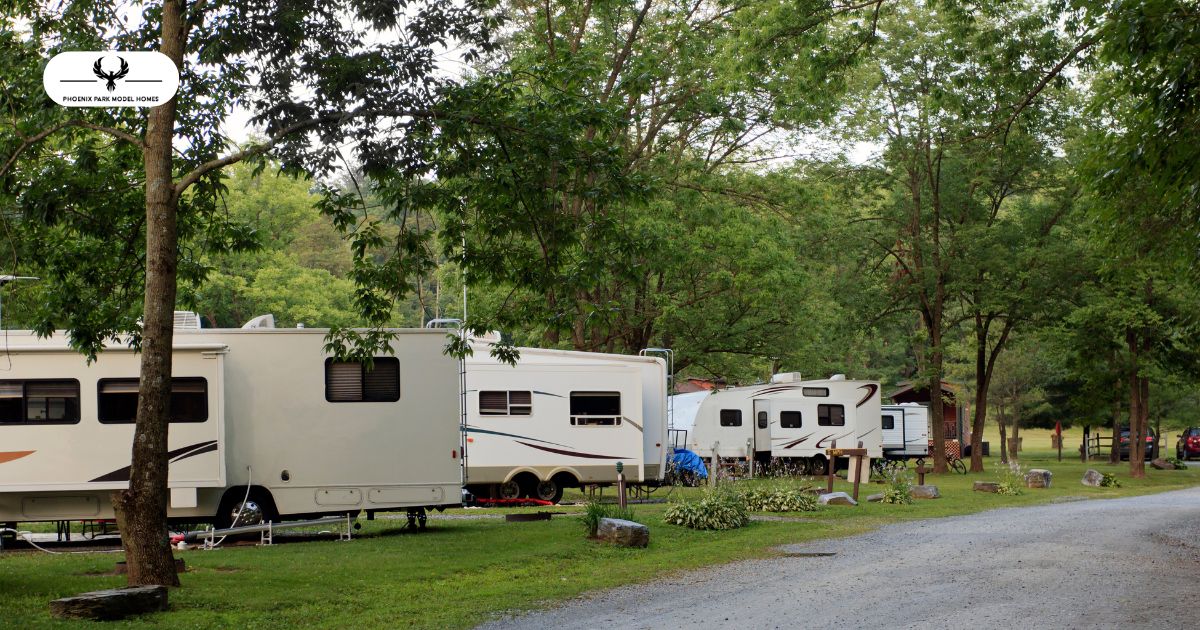
Compare that to traditional RV sites. Four sites at $60 nightly with 70% occupancy generate roughly $61,000 gross annually. Park models generate 2.5x the revenue from the same footprint.
By year three, with modest rate increases and improved occupancy as you build reviews, you’re netting $120,000+ annually.
Strategic Placement Makes the Difference
Where you put park models dramatically impacts success.
Premium locations command premium rates. Waterfront sites, wooded privacy, mountain views, place park models where they maximize natural advantages. Don’t waste prime real estate on standard RV pads when rentals justify the location value better.
Cluster for efficiency. Grouping units reduces infrastructure costs and makes cleaning more efficient. Your staff isn’t driving across the property between units.
Create separation from transient sites. Guests paying $200 nightly don’t want neighbors running generators at 6 AM. Situate rental units where they feel separate and peaceful.
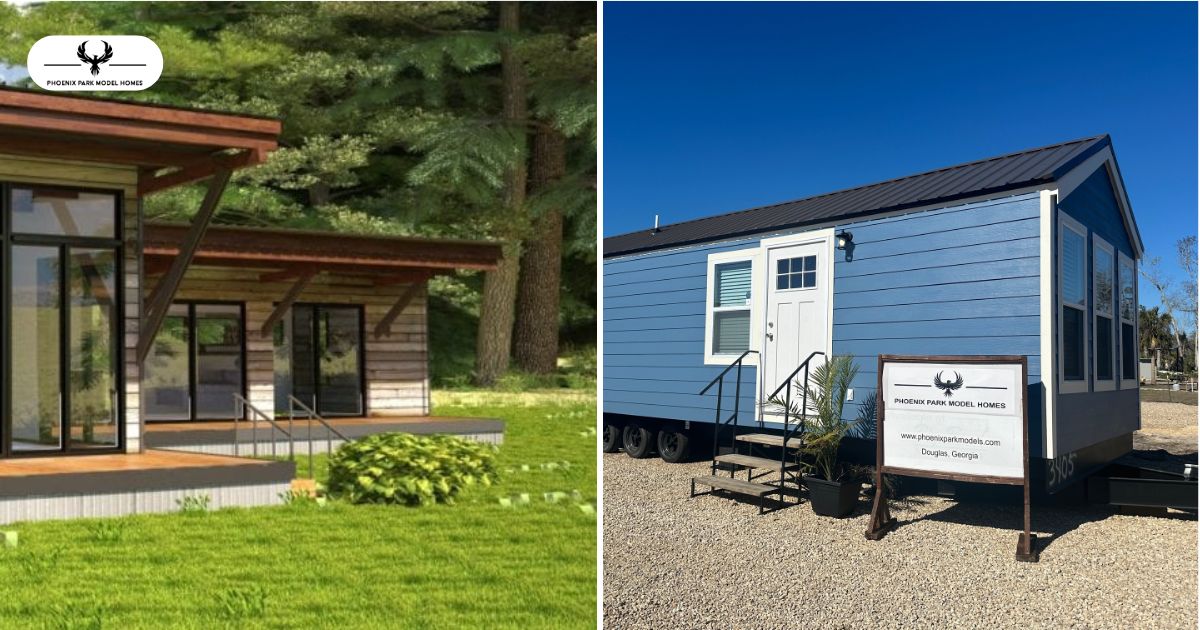
Design sight lines carefully. Park models should look intentional. Coordinate exteriors, use landscaping thoughtfully, create small yards that feel private and inviting.
The Guest Experience Is Different
Park model rentals attract different guests than your traditional campground, and this shapes how you operate.
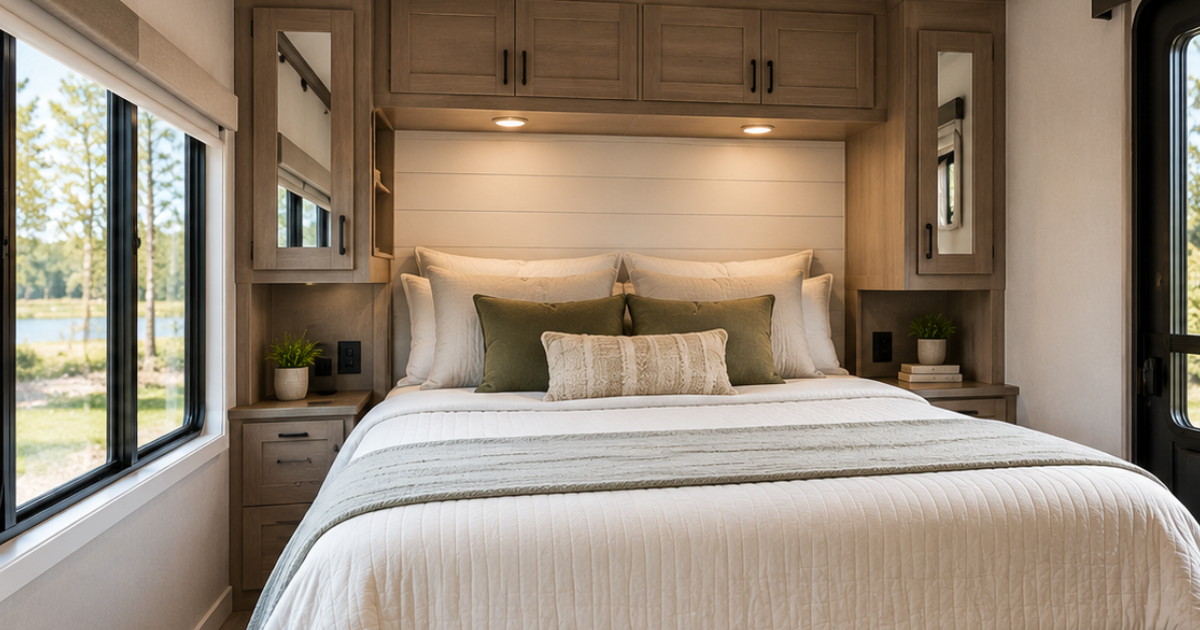
They expect hotel-like amenities. Clean linens, stocked kitchens with cookware, reliable WiFi, comfortable furniture, thoughtful touches. This isn’t camping, it’s vacation rental hospitality.
Communication matters more. These guests need clear check-in instructions, responsive service, answers about the area and facilities. They’re not experienced campers who figure things out.
Cleanliness is non-negotiable. One negative review about cleanliness tanks bookings. Professional cleaning between guests isn’t optional.
They spend more onsite. Park model guests buy firewood, use your camp store, book activities you offer. They’re higher-value customers beyond the rental rate.
Reviews drive future bookings. Your reputation on platforms determines success. Going above expectations generates five-star reviews that compound into more bookings.
Operational Realities You’ll Face
Adding park model rentals introduces hospitality operations many campground owners haven’t managed before.
Cleaning between guests requires systems. You need reliable cleaners who understand vacation rental standards, checklists ensuring nothing gets missed, and inventory management for linens and supplies.
Maintenance is continuous. Appliances break. Plumbing issues emerge. HVAC needs servicing. Budget ongoing costs and have contractors who handle repairs quickly.
Guest communication demands responsiveness. Booking confirmations, check-in instructions, handling complaints, you need systems managing this consistently. Property management software helps enormously.
Pricing strategy requires thought. Seasonal rates, weekend premiums, last-minute discounts, multi-night minimums and dynamic pricing maximizes revenue but requires active management.
Platform management takes time. Listing on Airbnb, VRBO, and Booking.com means managing multiple calendars, responding to inquiries, and handling each platform’s requirements.
Many campground owners hire dedicated staff or contract with property management companies. Others handle it themselves initially, learning what’s required before deciding whether to delegate.
Financing Your Expansion
The capital requirement is real, but options exist beyond paying cash.
Business loans can fund park model purchases as capital improvements to your operation. Banks familiar with your cash flow might offer favorable terms.
RV/equipment financing treats park models as business equipment, often requiring 20% down with 5-10 year terms.
Investor partnerships bring capital from individuals wanting passive income. They fund units, you manage operations, you split revenue per agreement.
Phased expansion starts small, add two units, prove the model, use revenue to fund more. Growth becomes self-funding rather than requiring massive upfront investment.
Marketing to New Audiences
Adding park models requires reaching entirely new customer segments.
List on major platforms immediately. Airbnb and VRBO put you in front of millions of travelers. Platform fees hurt (15-20%) but booking volume often justifies it.
Professional photography is mandatory. Mediocre photos kill bookings. Invest in professional shots showing your units beautifully. This pays back immediately.
SEO and your website matter. Ranking for “[your area] vacation rentals” drives direct bookings without platform fees eating profits.
Social media shows the experience. Instagram and Facebook let you share the lifestyle, morning coffee on porches, cozy evenings by fire pits, families making memories.
Local partnerships expand reach. Connect with wedding venues, corporate retreat planners, event spaces. Become their recommended lodging partner.
Common Mistakes to Avoid
Campground owners stumble in predictable ways. Learn from others:
Underestimating operational demands. This isn’t passive income initially. Hospitality requires attention, systems, and either your time or paid staff.
Skimping on furnishings. Cheap furniture and basic cookware show in photos and reviews. Invest in quality that photographs well and guests appreciate.
Ignoring regulations. Some municipalities regulate short-term rentals strictly. Verify zoning allows park model rentals before investing heavily.
Poor pricing strategy. Too little leaves money on the table. Too much means empty units. Research comparables, start competitively, adjust based on booking patterns.
Neglecting communication. Slow responses lose bookings. Unclear check-in frustrates guests. Systems and responsiveness aren’t optional.
Is This Right for Your Campground?
Park models make sense for campgrounds with available land not fully utilized, locations where vacation rental demand exists, willingness to embrace hospitality operations, and capital to invest or ability to attract investors.
They work especially well for destination campgrounds rather than overnight stopping points, properties with natural amenities justifying premium pricing, and operations looking to extend seasons or reduce dependence on transient traffic.
Start small and learn. Add one or two units in prime locations. Test the market, refine operations, understand what management requires. Prove the concept before scaling.
Your Move
Park models represent one of the most compelling opportunities in the campground industry right now. The economics work. The demand exists. The operational challenges are manageable.
But success requires thoughtful execution, strategic placement, quality implementation, strong operations, and genuine hospitality separate thriving operations from disappointing experiments.
If you’re ready to explore how park models might work for your campground, check out different floor plans to see what might fit your property and market. When you’re ready to discuss specifics, reach out directly. We work with campground owners regularly and understand both the opportunity and the realities you’re navigating.
Your campground already attracts people seeking nature and escape. Park models just let you serve more of them, more profitably, more consistently. That’s not changing your business, it’s amplifying what already works.