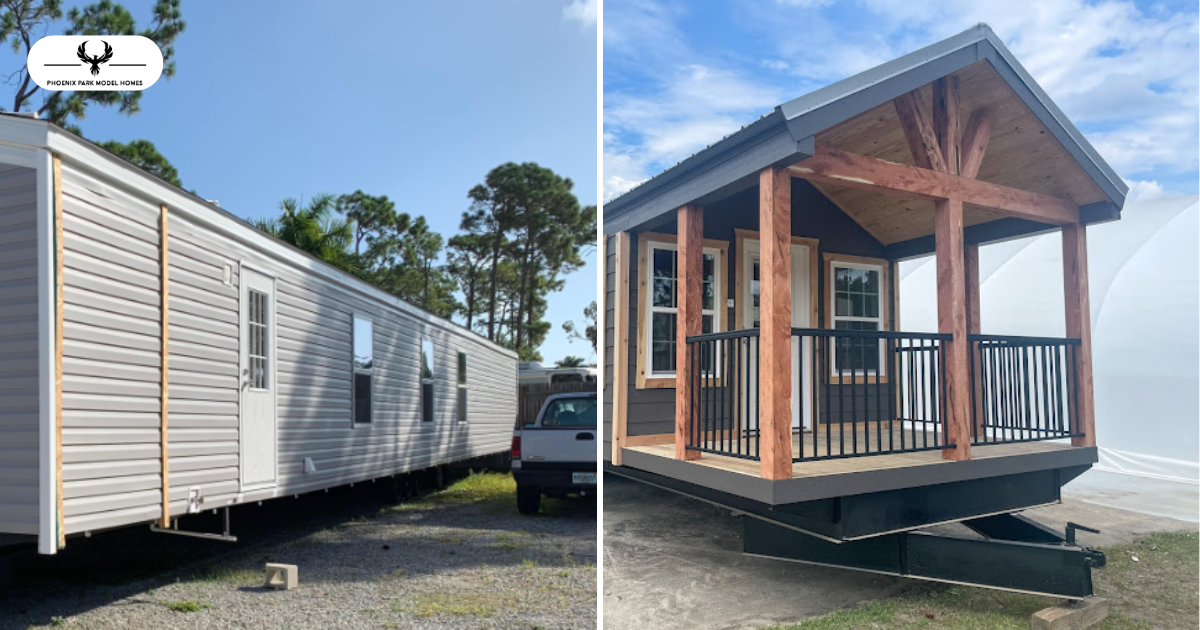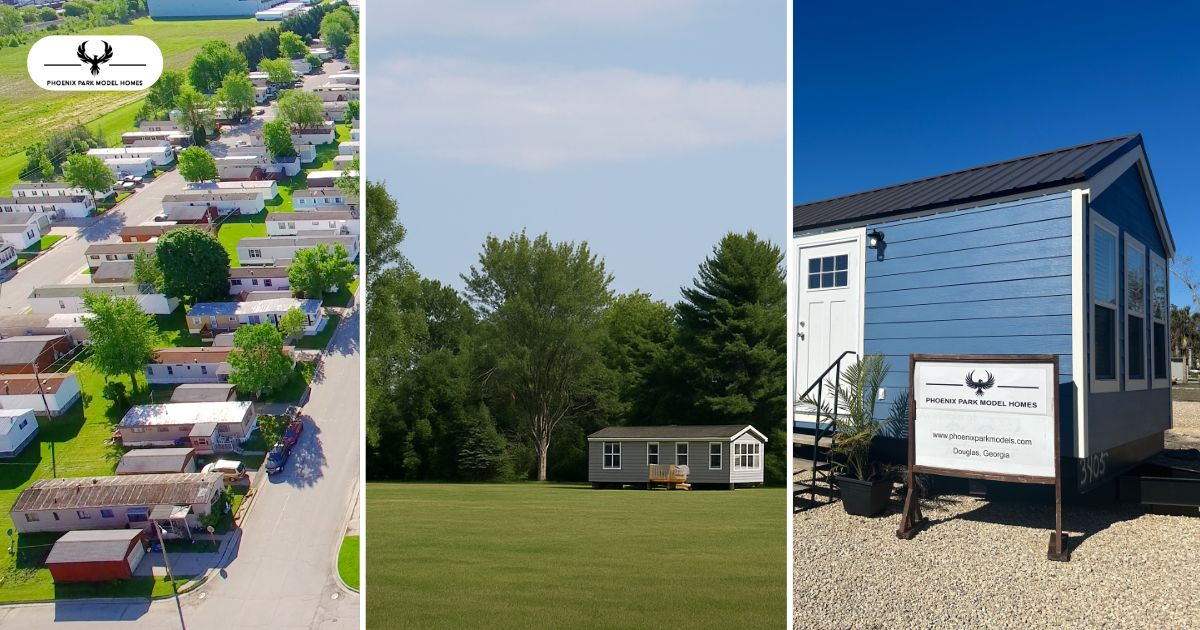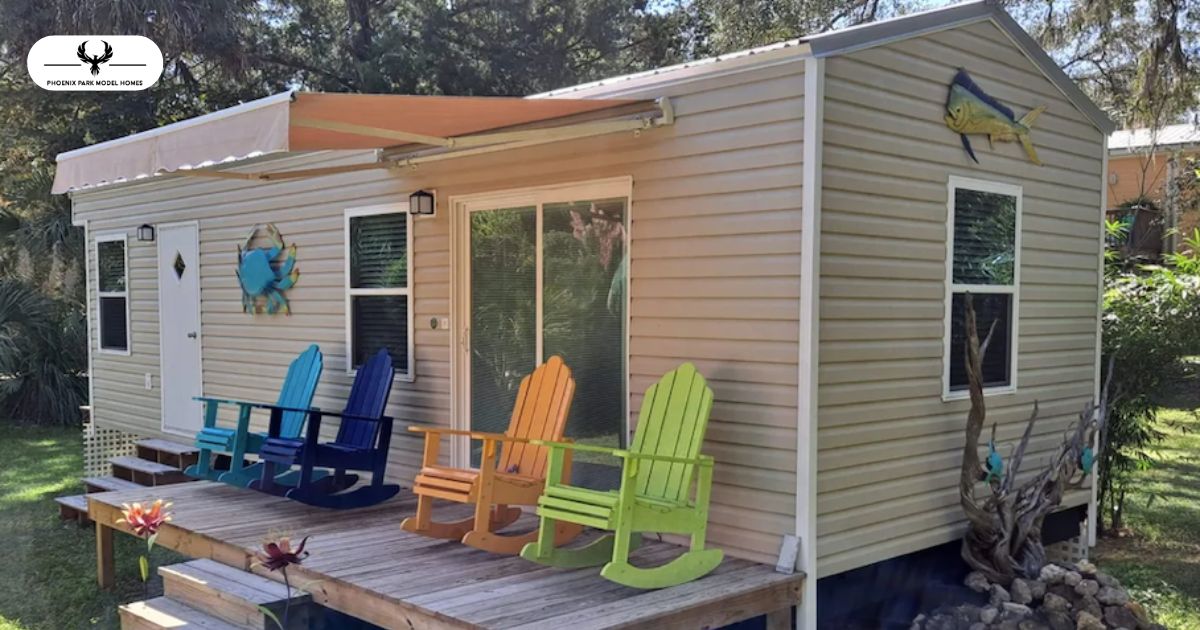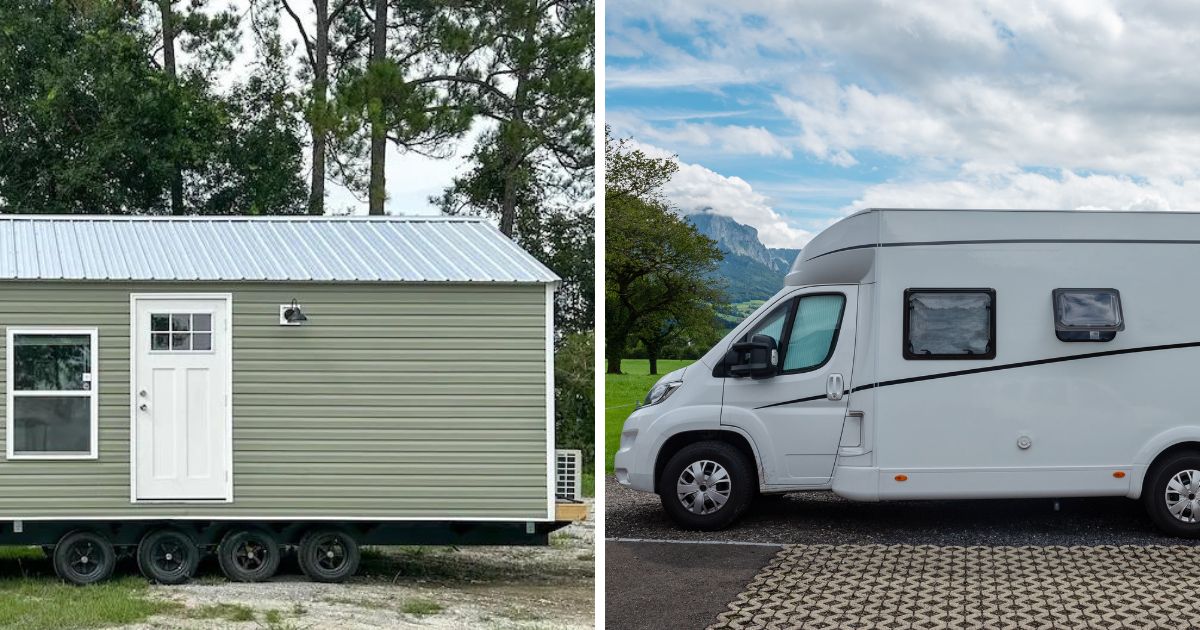

If you’ve noticed these charming, cabin-like structures popping up at your favorite lake resort or mountain retreat, you’re witnessing a trend that’s reshaping the tourism industry.
Park model homes are becoming the new go-to option for resort developers and vacationers alike, and it’s changing how people think about getaways.
Let’s talk about why park models are having this moment and what it means for both resort owners and vacationers.
What Makes Park Models Perfect for Vacation Resorts
Think about what makes a great vacation rental. You want something that feels like a real home, not a hotel room. You want space to spread out a bit, maybe cook a meal, relax on a porch with your morning coffee. But you also want something that feels special, different from your everyday life.
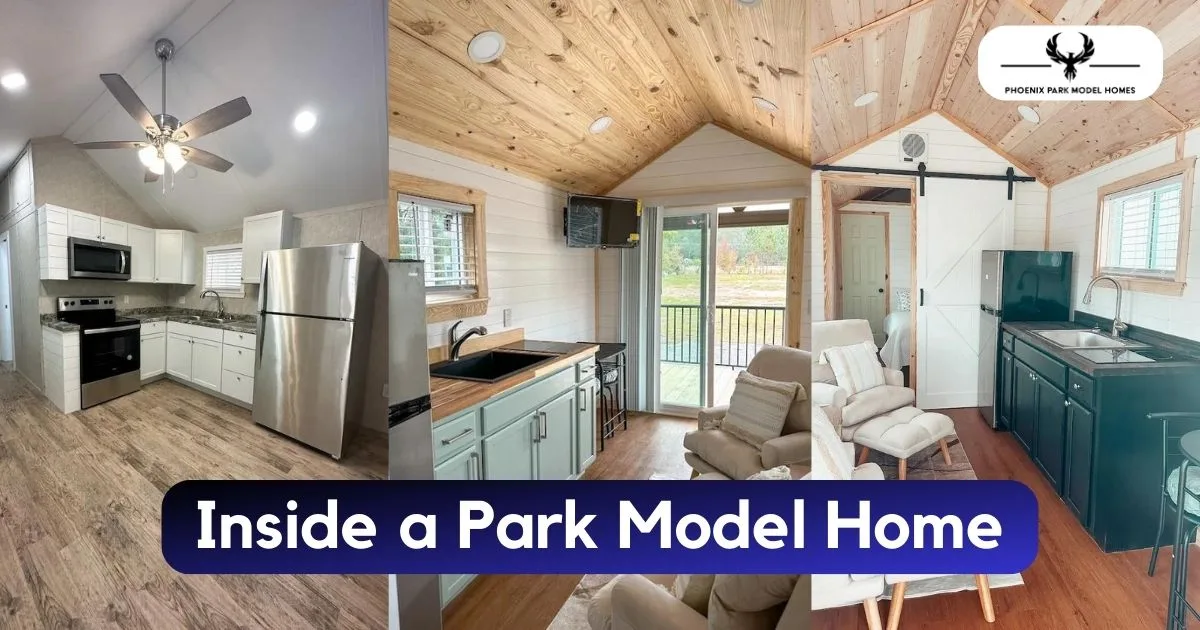
Park models hit this sweet spot perfectly. They’re compact enough to be affordable but spacious enough to feel comfortable. They typically offer full kitchens, separate sleeping areas, and outdoor living spaces. They’ve got character and charm that standard hotel rooms simply can’t match.
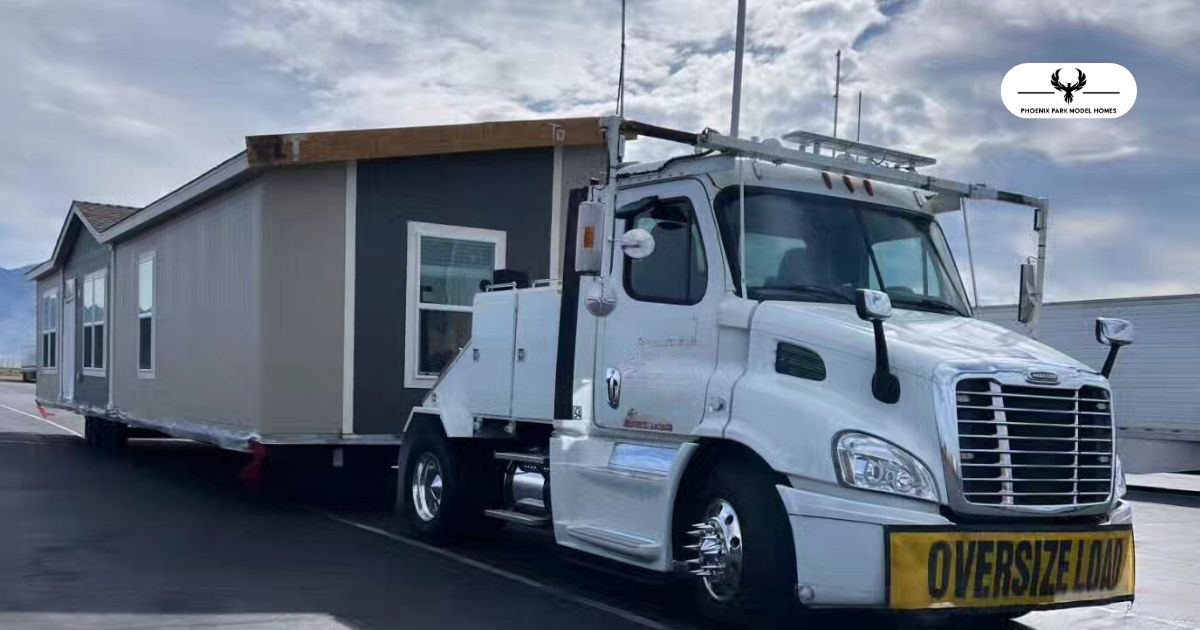
For resort developers, park models solve several problems at once. They’re significantly less expensive than building traditional cabins or condos. They can be installed relatively quickly compared to ground-up construction.
And they’re flexible; if a resort wants to expand or reconfigure, park models offer options that permanent construction doesn’t.
The economics make sense too. Resorts can offer these accommodations at price points that compete with hotels but provide an experience that feels more upscale and private. Guests are willing to pay premium rates for what feels like their own little retreat, even if it’s just for a weekend.
The Guest Experience Factor
From a guest perspective, staying in a park model at a resort offers something genuinely different.
You’re not stacked on top of other guests in a traditional hotel. You’ve got your own entrance, often your own outdoor space, and a sense of privacy that’s hard to find in conventional accommodations. There’s no sharing walls with strangers or listening to people tramping down hallways at midnight.
The full kitchen changes the game for many travelers. You can stock groceries, make your own breakfast, pack lunches for day trips, and save significantly on dining costs. For families especially, this flexibility is huge. Anyone who’s tried to vacation with small children knows the value of being able to prepare familiar foods on your own schedule.
There’s also something psychologically satisfying about staying in what feels like a “real” home rather than a generic hotel room. Park models often have thoughtful layouts, well-designed kitchens, comfortable living spaces, and those little touches that make a place feel welcoming.
Many guests also appreciate the outdoor living component, porches, decks, or patios that encourage you to sit outside with your morning coffee or evening glass of wine.
Why Resort Owners Are Making the Switch
Resort developers and owners are practical people. They’re investing in park models because the numbers work.
Traditional cabin construction has become increasingly expensive. Between materials, labor, permitting, and timelines, building conventional vacation cabins can take years and cost hundreds of thousands per unit. Park models offer a fraction of that cost with much faster deployment.
A resort can purchase and install multiple park models for what it might cost to build one traditional cabin. This allows for faster expansion, quicker return on investment, and more flexibility in meeting demand.
The flexibility factor appeals to resort owners too. Markets change, guest preferences evolve, and tourism patterns shift. Park models give owners options that permanent construction doesn’t. This adaptability is valuable in an industry where staying relevant matters.
The Types of Resorts Embracing This Trend
Park models are showing up across different types of vacation destinations, each finding unique ways to use them.
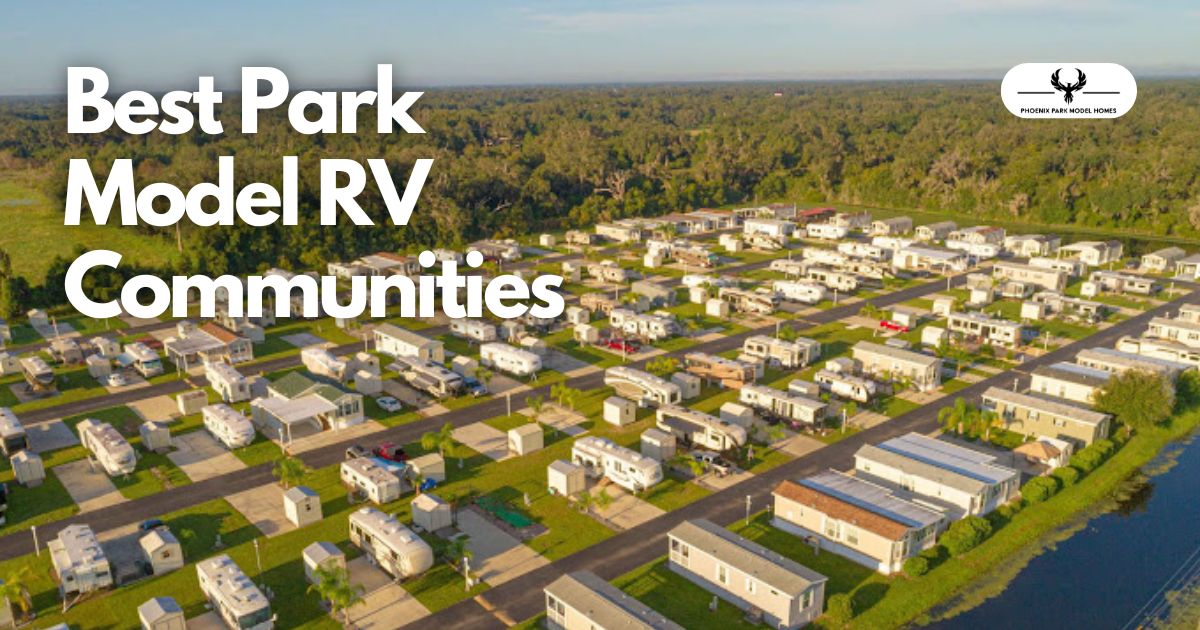
Lakefront resorts were early adopters. The combination of waterfront location and cozy park model accommodations creates an appealing package. Guests can fish, boat, and swim during the day, then retreat to their comfortable home-away-from-home in the evening.
Mountain and ski resorts are increasingly incorporating park models into their lodging options. They provide affordable alternatives to expensive hotel rooms at the base of slopes while offering more character than standard condos. Families especially appreciate having their own space after a day on the mountain.
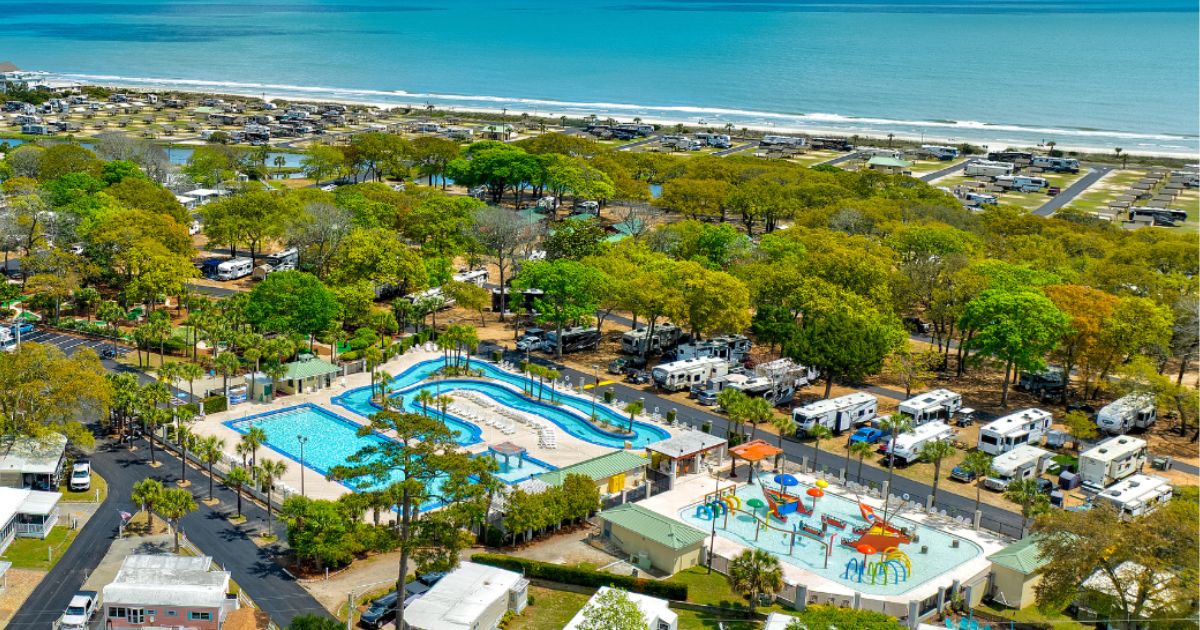
Beach and coastal resorts have discovered park models work beautifully in these settings too. The indoor-outdoor living style suits beach life perfectly, and the compact footprint allows resorts to maximize their valuable coastal real estate while still providing quality accommodations.
Even wine country and agritourism destinations are getting in on the trend. Park models fit naturally into these settings, offering guests a pastoral retreat experience without the cost of traditional guesthouse construction.
The Investment Opportunity for Individuals
Here’s where it gets interesting for individual buyers. Some resorts are offering opportunities for people to purchase park models and place them in the resort’s rental program.
The model works like this: You buy the park model and pay lot rent to the resort. In exchange, the resort manages your unit as a rental property, marketing it, handling bookings, cleaning, maintenance, and guest services. You receive a share of the rental income and typically get some reserved time to use it yourself.
For the right person in the right situation, this can be an appealing arrangement. You get a vacation property without the full burden of management. You generate income when you’re not using it. And you have a built-in amenity package from the resort.
Of course, like any investment, it’s not guaranteed money. Success depends on the resort’s location, marketing effectiveness, occupancy rates, and fee structures. Anyone considering this route needs to crunch the numbers carefully and understand they’re buying into both a property and a business relationship with the resort.
Because park models are classified as RVs rather than real estate, traditional mortgages typically don’t apply. Buyers usually use RV loans, personal loans, or pay cash. If you’re exploring this option, it’s worth understanding various financing approaches to see what works for your situation.
Looking Ahead
So where is this trend headed? All signs point to continued growth.
As traditional vacation homeownership becomes less accessible for many people with rising property costs, maintenance burdens, and underutilization, park models in resort settings offer an appealing alternative. People still want that vacation home experience; they’re just finding different ways to get it.
The tourism industry’s shift toward experience-focused travel aligns perfectly with what park model accommodations offer. Guests increasingly want to feel like locals, cook regional foods in their own kitchens, and live rather than just visit a destination. Park models facilitate this better than hotels.
Climate and sustainability consciousness are also playing a role. Park models typically have smaller footprints both literally and environmentally than traditional construction. They require fewer materials, less energy to heat and cool, and fit more naturally into landscapes. For resorts positioning themselves as eco-conscious destinations, this matters.
Final Thoughts
Park models in vacation resorts represent something interesting: a practical solution that actually enhances the guest experience rather than diminishing it. That’s rare in the accommodation world, where cost-cutting measures often mean lower quality for guests.
Explore modular designs, quick setup options, and customizable models at Phoenix Park Models to see how your next resort expansion could start with just one park model.