

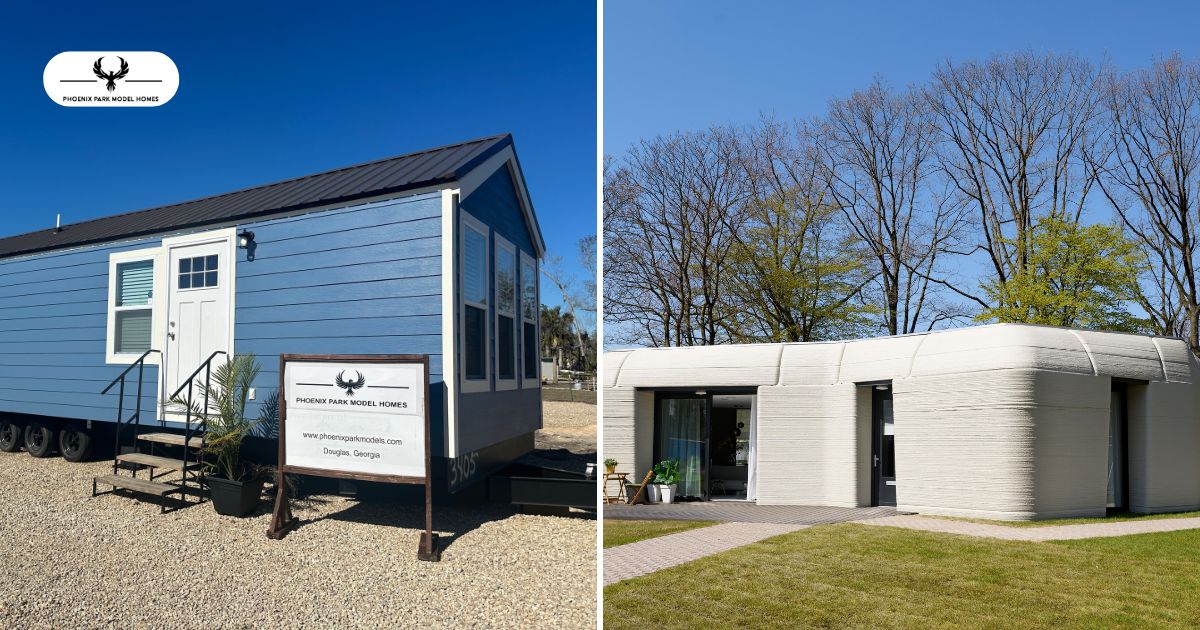
So you’ve probably seen those videos online, massive 3D printers squirting out concrete layer by layer, building entire houses in like 24 hours. Pretty wild, right?
It’s got people wondering if traditional housing is about to become obsolete. And if you’re shopping for a park model, you might be asking yourself: Should I just wait for one of these futuristic 3D-printed homes instead?
Here’s the thing. Both park models and 3D-printed homes are trying to solve similar problems: affordable housing, faster construction, and less waste. But they go about it in completely different ways, and honestly, they’re suited for pretty different situations.
Let me break down how these two options actually stack up against each other in the real world.
What We’re Actually Comparing
First, let’s make sure we’re on the same page about what these things are.
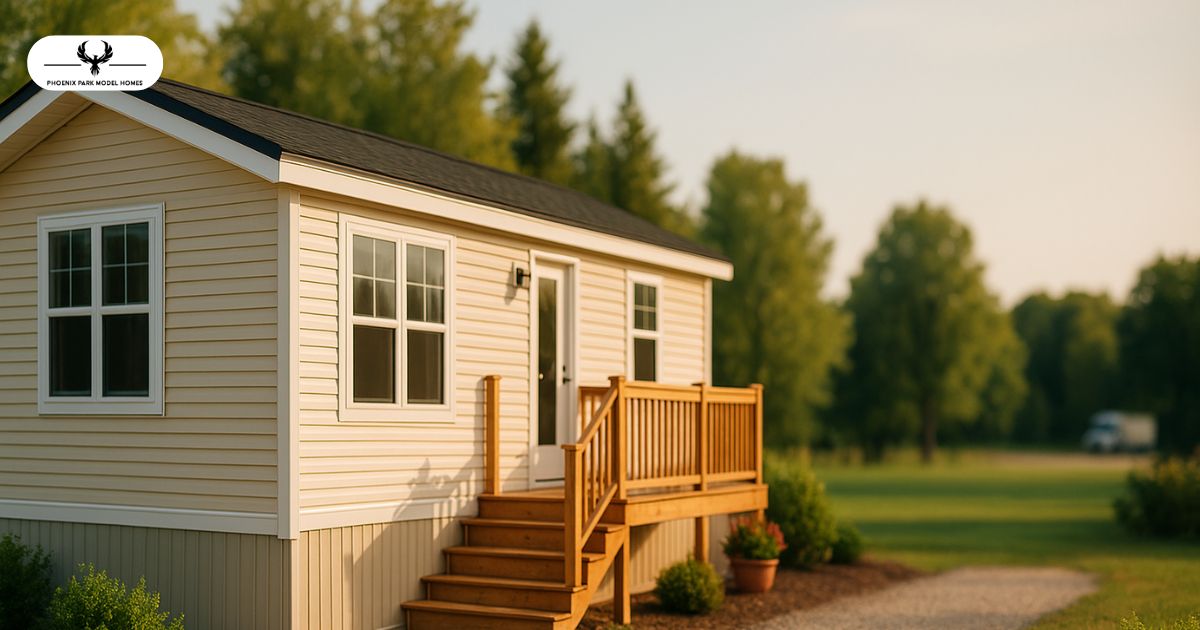
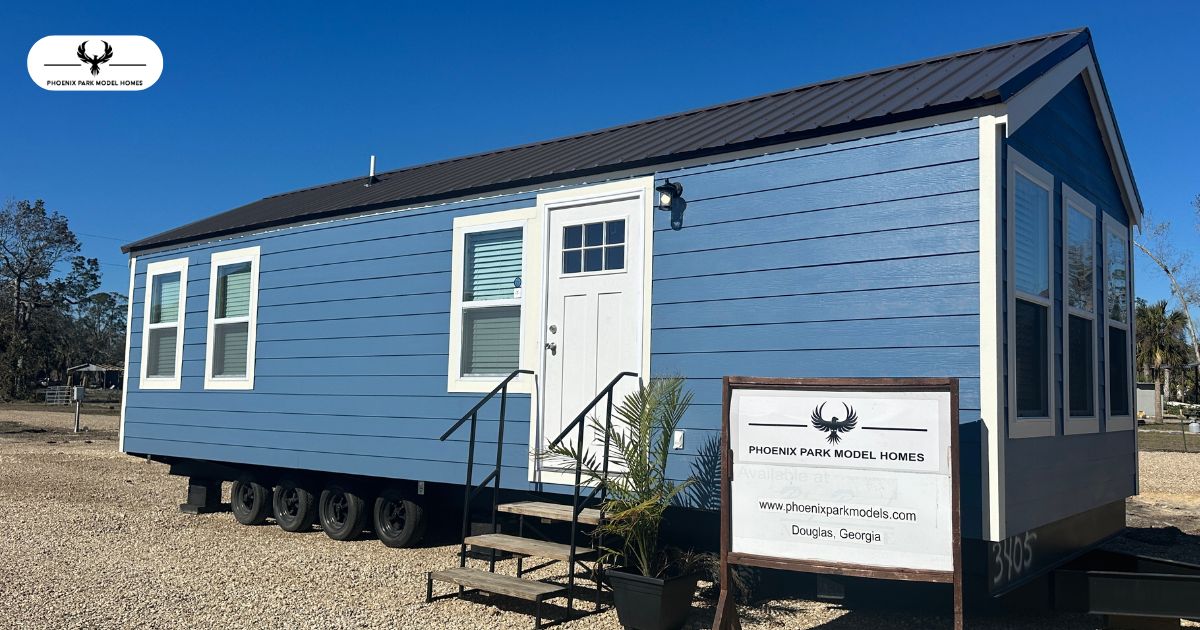
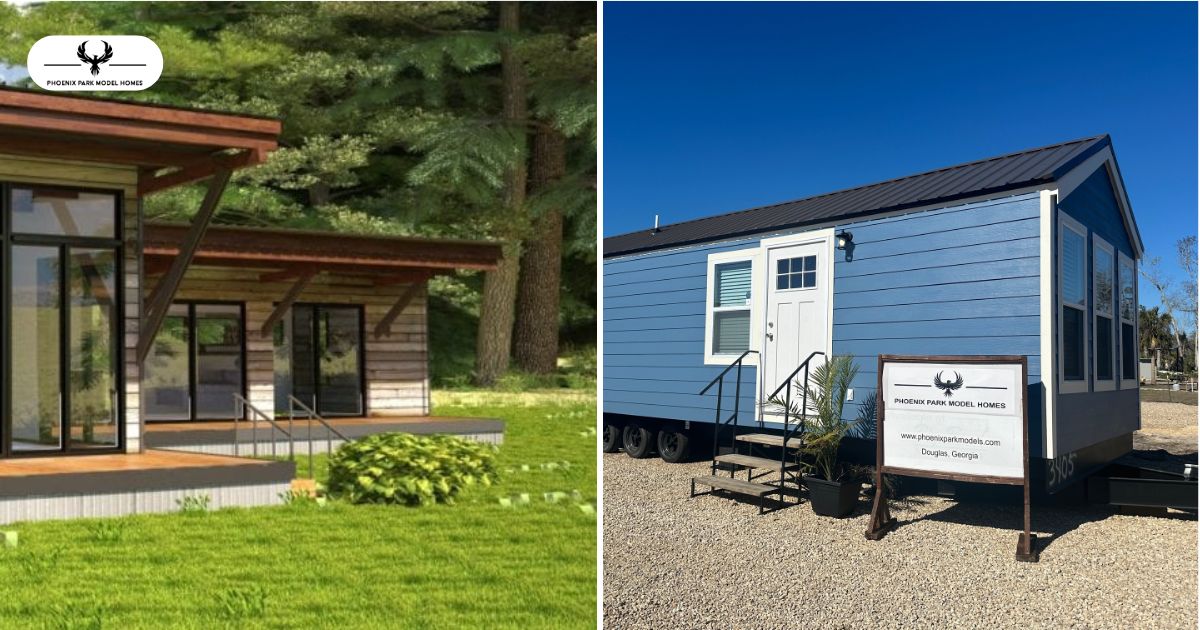
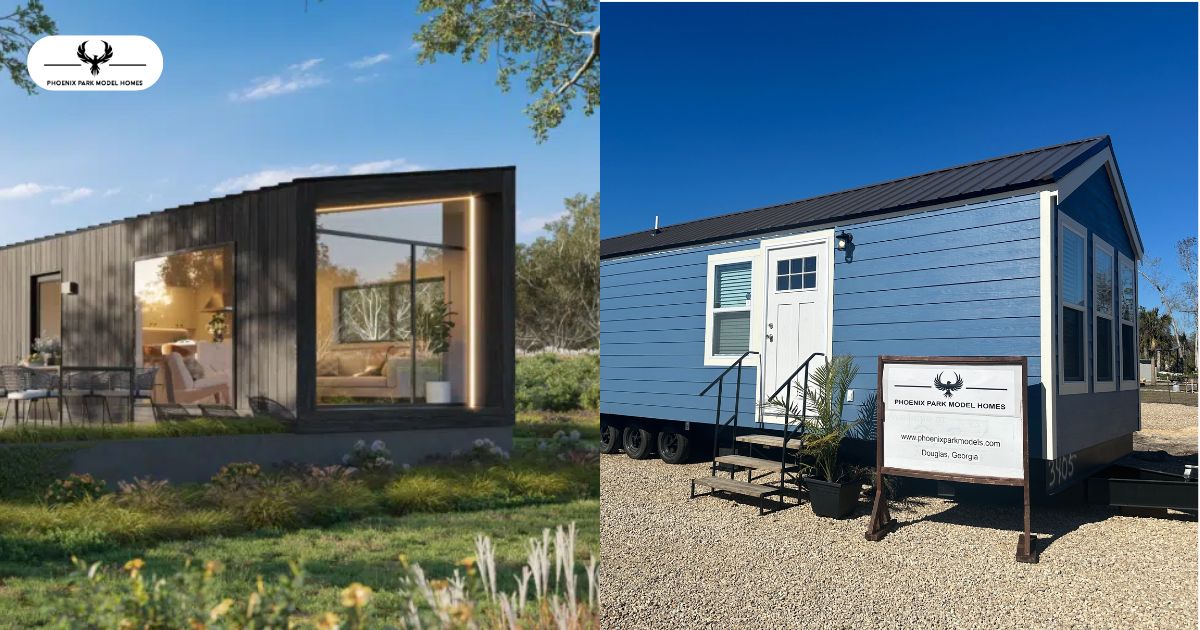
Park models are compact, factory-built homes usually between 300 and 500 square feet. They’re built on a chassis with wheels, though most people park them permanently. Think of them as the upscale cousins of RVs; they’ve got real residential features like full kitchens and bathrooms, but they’re built to be moved if needed.
3D-printed homes are exactly what they sound like. A giant robotic printer lays down layers of concrete or similar material to build walls, usually following a computer design. The printer creates the shell of the house, then humans come in to add roofs, windows, doors, electrical, plumbing, and everything else.
Both are newer approaches to housing compared to traditional stick-built homes. But that’s about where the similarities end.
Speed of Construction
This is where 3D-printed homes get all the hype. You’ve probably seen headlines claiming they can print a house in 24 hours.
And technically, that’s true; the printing part can happen that fast. But here’s what those headlines don’t mention: printing the walls is maybe 30% of building a house. You still need foundation work before printing starts. After printing, you need a roof, windows, doors, insulation, electrical, plumbing, HVAC, flooring, and finishing work. All of that still takes weeks or even months with traditional methods.
So yeah, the actual printing is fast. But move-in ready? You’re still looking at several weeks minimum, often months.
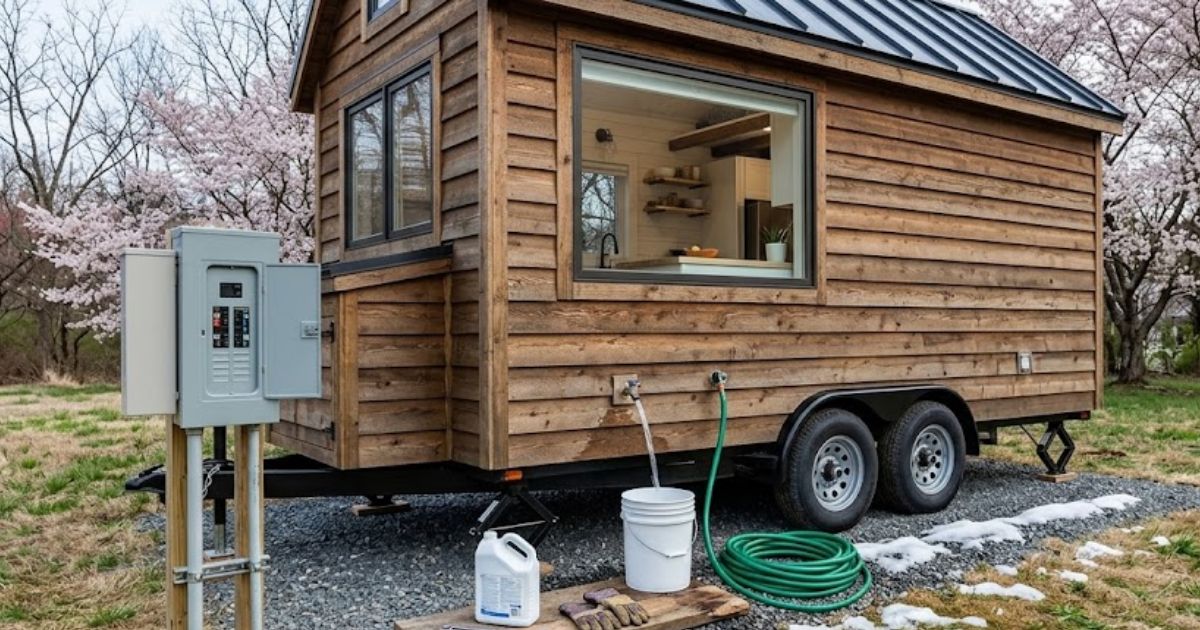
Park models, on the other hand, are completely built in a factory. By the time one shows up on your property, it’s basically done. Hook up utilities, level it, anchor it down, and you can move in within days. Some people are sleeping in their park model the same week it gets delivered.
If you need housing quickly, park models have a real advantage here. They’re truly turnkey in a way 3D-printed homes aren’t yet.
Cost Comparison
Alright, let’s talk money, because that’s what most people really care about.
3D-printed homes are marketed as affordable housing solutions. Some companies claim they can print basic homes for $10,000 to $50,000. Sounds amazing, right?
But again, that’s just for printing the shell. Once you add the foundation, roof, utilities, finishes, and everything else, you’re typically looking at $150,000 to $300,000 or more for a finished home. That’s actually not that different from regular construction in many areas.
Plus, there aren’t that many companies doing this yet, so your options are limited. And the technology is new enough that getting permits and insurance can be tricky, which sometimes adds unexpected costs.
Park models typically run between $50,000 and $100,000 fully finished, depending on size and features. That includes everything, appliances, furniture if you want it, the whole deal. You still need to pay for site prep, foundation, and utility hookups, which might add another $10,000 to $30,000.
So all-in, you might spend $60,000 to $130,000 for a move-in-ready park model with everything done. That’s genuinely less expensive than most 3D-printed homes once you account for all the extras.
Design Flexibility
3D-printed homes have a cool advantage here: they can create curved walls and unique shapes that would be difficult or expensive with traditional construction.
Want a round house? Oval rooms? Weird artistic walls? 3D printing can do that relatively easily. The printer just follows whatever design you program into it.
But here’s the catch: most 3D-printed home companies have standard designs they’ve already engineered and permitted. Custom designs are possible, but they require architectural work, engineering approval, new permitting, and testing. That adds time and cost pretty quickly.
Park models are more limited in shape; they’re rectangular because they need to be transported on a trailer. But within that rectangle, you’ve got tons of options. Different floor plans, various finishes, upgraded appliances, and custom cabinets. Most manufacturers offer several standard layouts plus customization options.
The trade-off is this: 3D printing offers more structural creativity, but park models offer more practical customization of the living space itself.
Mobility and Permanence
This is a huge difference that doesn’t get talked about enough.
Park models are built on a chassis with wheels. They’re designed to be moved, even though most people never move them after initial placement. But if you need to relocate, you can. Selling your property? Take your home with you. Want to move across the state? It’s possible.
This mobility also affects how they’re classified legally. In most places, park models are titled like vehicles or manufactured homes, not real property. That has tax implications and affects financing options.
3D-printed homes are permanent structures. Once that concrete is printed, it’s not going anywhere. It becomes part of the real property, just like a traditionally built house.
For some people, permanence is good; it can potentially increase property value and make financing easier. For others, the mobility of a park model is exactly what they want.
Think about your long-term plans. If you might want to move in five years, park models make way more sense. If you’re building on land you plan to keep forever, either option could work.
Durability and Maintenance
3D-printed home advocates talk a lot about durability. Concrete is strong, fire-resistant, and can handle extreme weather better than wood framing. That’s all true.
But concrete also has downsides. It’s terrible for insulation unless you add extra insulation layers. It can crack over time, especially in areas with freeze-thaw cycles. And if something goes wrong inside the walls, like plumbing or electrical issues, repairs can be nightmares.
Park models are built with traditional materials, wood framing, standard insulation, drywall or wood paneling. This is actually a good thing for maintenance. Any contractor can work on them. Parts are readily available. If something breaks, you’re not trying to find someone who specializes in 3D-printed home repairs.
Modern park models are built to HUD code, which has pretty strict standards for construction quality. They’re designed to last decades with normal maintenance.
The reality is that both can be durable if built well. But park models have the advantage of using proven, familiar construction methods that anyone can maintain.
Insulation and Energy Efficiency
Here’s where things get interesting. 3D-printed concrete walls don’t insulate well on their own. Concrete has an R-value of about R-1 per inch, which is pretty terrible.
Most 3D-printed homes need additional insulation added, either spray foam inside, foam boards outside, or both. This adds cost and complexity. Some newer 3D printing materials include insulation, but that’s still developing technology.
Park models are built with proper insulation from the factory, walls, floors, and ceilings. Many have R-13 to R-21 walls and R-30+ roofs, which is decent for a small space. Some manufacturers offer upgraded insulation packages for cold climates.
Because park models are smaller, they’re inherently more energy-efficient. Less space to heat and cool means lower energy bills. A well-insulated park model can be surprisingly cheap to keep comfortable.
Availability and Timeline
Want to buy a park model? You can probably order one this month and have it delivered next month. There are dozens of manufacturers across the country making them, and many dealers keep inventory.
Want a 3D-printed home? You’ll need to find one of the handful of companies doing this, hope they operate in your area, get a spot in their build queue, navigate unfamiliar permitting processes, and wait.
The 3D printing construction industry is still young. Some companies that made big promises a few years ago have already gone out of business. Others are focused on large developments rather than individual homes.
Park models are an established industry with known players, standard practices, and proven track records. That matters when you’re making a big purchase.
Permitting and Regulations
This is where 3D-printed homes often hit major roadblocks. Building codes were written for traditional construction. Many municipalities don’t have clear rules for 3D-printed structures yet.
Getting permits can take months longer than traditional construction. Some areas won’t approve them at all. Insurance companies might be hesitant because there’s limited data on long-term performance.
Park models have their own regulatory challenges, but they’re known challenges with established solutions. They’re built to HUD code at the factory, which many jurisdictions accept. You still need local permits for placement, foundation, and utilities, but the process is pretty standard.
Some areas restrict where you can put park models; they might not be allowed in residential neighborhoods, for example. But at least those rules are clear and you can find out upfront.
The Environmental Angle
Both options claim to be more environmentally friendly than traditional construction, but in different ways.
3D-printed homes use less material than traditional building; the printer only deposits concrete where it’s structurally needed. There’s minimal waste. Some companies use materials with recycled content or lower carbon concrete mixtures.
Park models are built in factories with controlled processes, which typically generates less waste than on-site construction. They’re also small, which inherently means fewer materials used. And their mobility means they don’t permanently alter land; you could remove one and the land returns to its original state.
Honestly, both are probably better than traditional construction from an environmental standpoint. The bigger impact comes from how you use them, heating, cooling, water usage, and so on.
Who Should Choose What?
After all this comparison, here’s my take on who each option makes sense for.
3D-printed homes might be right if you’re building on land you own permanently, want architectural uniqueness, are willing to deal with cutting-edge technology’s growing pains, have time to navigate uncertain permitting, and have a bigger budget than the marketing suggests.
Park models make more sense if you want something move-in ready fast, need flexibility to relocate if needed, want proven construction methods, prefer lower total costs, value ease of maintenance, or are looking for a vacation or retirement home rather than a primary residence.
For most people reading this, park models are probably the more practical choice right now. They’re available, affordable, proven, and ready to go.
The Future Might Be Different
Look, 3D-printed home technology is improving fast. In ten years, it might be completely mainstream with solved problems, clear regulations, and better materials.
But we’re not there yet. Right now, it’s still emerging technology with real limitations and uncertainties.
Park models are here now, proven, and working well for thousands of people. They solve real housing needs without asking you to be an early adopter of unproven technology.
Maybe someday 3D-printed park models will be a thing, imagine a printer that could create custom park model designs at lower costs. That could be really cool. But we’re not there yet.
Bottom Line
Both park models and 3D-printed homes are trying to make housing more accessible and affordable. That’s genuinely great, and we need more innovative approaches to housing.
But they’re at very different stages of development. Park models are mature, available, and ready to deliver on their promises. 3D-printed homes are exciting and full of potential, but still working out major kinks.
If you need a home now and want something reliable and affordable, park models are hard to beat. If you want to be on the cutting edge and don’t mind the extra complexity and uncertainty, 3D-printed homes might appeal to you.
For most folks, though, the choice is pretty clear. Park models deliver what they promise, when they promise it, at a price you can actually afford. And right now, that practical reality beats futuristic promises every time.