

Here’s the question everyone asks but nobody wants to answer straight: Can you actually live in a park model full-time?
The technical answer is no. Park models are classified as recreational vehicles under ANSI A119.5 standards, which means they’re designed for temporary and seasonal accommodation, not permanent residence.
The practical answer? Thousands of people do it anyway.
This disconnect between what park models are officially designed for and how people actually use them creates confusion, legal gray areas, and a whole lot of “it depends” situations. Let’s cut through the confusion and talk about what seasonal living in a park model actually looks like and whether it’s the right choice for you.
What “Seasonal Living” Actually Means
Seasonal living means using your park model as your primary home during certain times of year while maintaining another residence elsewhere.
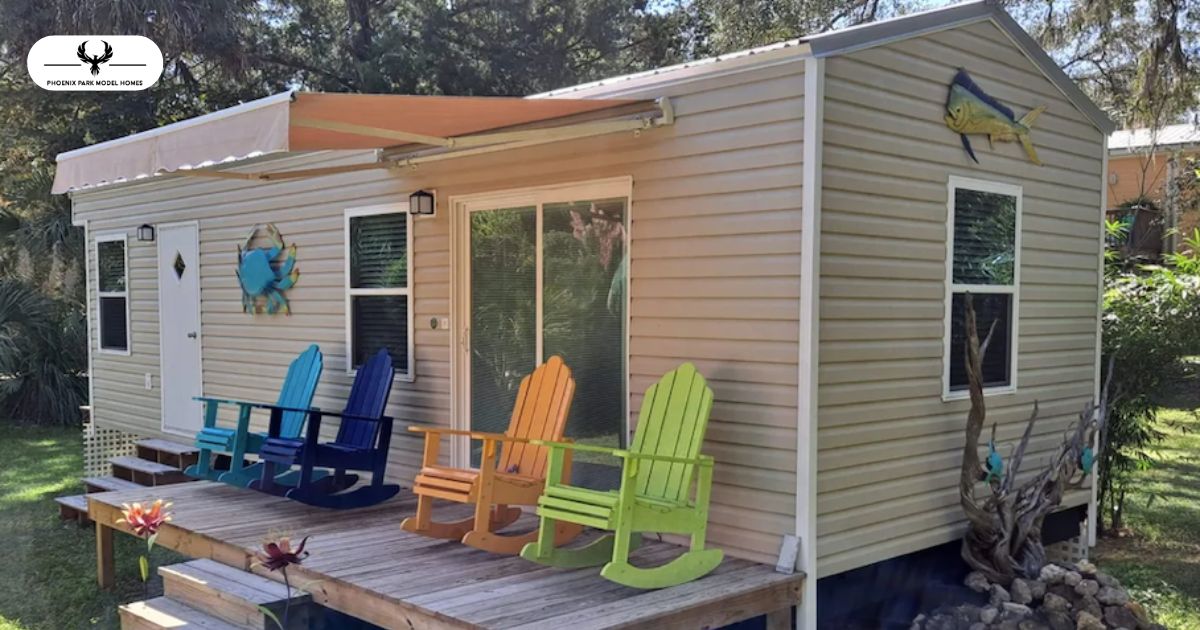
Think snowbirds who spend winters in Florida park models and summers in northern states. Or people who live in park models at lake properties from May through October, then rent apartments in town for winter months. Or retirees who rotate between park model communities in different climates following perfect weather year-round.
This is the intended use case. You’re not permanently residing in one location in your park model. You’re using it seasonally as designed, which keeps you squarely within the legal and regulatory framework these homes were built for.
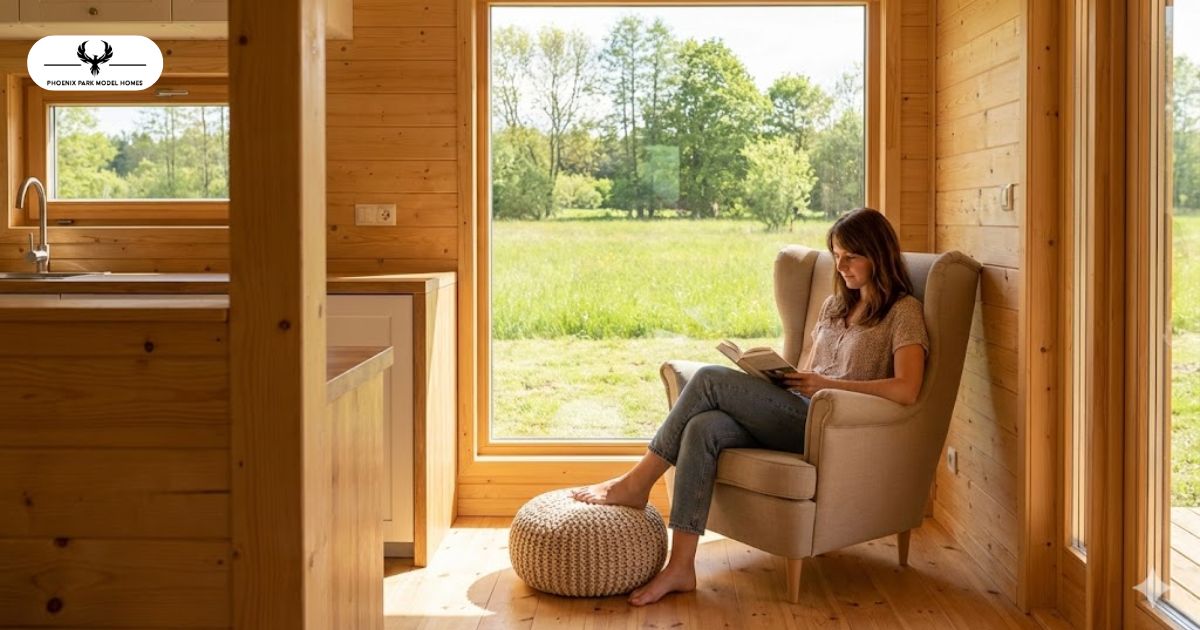
The appeal is obvious. You get comfortable, affordable housing in desirable locations during seasons when you actually want to be there. You avoid harsh winters, oppressive summers, or whatever weather you’d rather not endure. And you maintain the flexibility to change locations or arrangements as your life evolves.
Why the Full-Time Restriction Exists
Understanding why park models aren’t designated for permanent residence helps you navigate the reality of living in one.
Building code differences matter. Park models follow ANSI RV standards, not International Residential Code (IRC) that governs permanent housing. RV standards allow for less insulation, different structural requirements, and various construction specifications that wouldn’t pass residential building codes in most jurisdictions.
This doesn’t mean park models are poorly built. Many are constructed to high standards with excellent materials. But they’re engineered as recreational vehicles with different assumptions about use, climate exposure, and longevity than permanent homes.
Zoning regulations distinguish between temporary and permanent. Most municipalities regulate where people can permanently reside versus temporarily stay. Allowing RVs as permanent residences in any location would effectively bypass residential zoning, which communities resist for various planning and tax reasons.
Utilities and infrastructure get planned differently. Communities plan water, sewer, electricity, and other infrastructure based on permanent versus transient populations. Widespread permanent RV residence creates infrastructure demands municipalities haven’t budgeted for.
Tax implications drive some restrictions. Park models often receive different tax treatment than permanent residences. If everyone lived permanently in park models, local tax revenues would shift in ways municipalities find problematic.
These reasons explain the restrictions, even if you personally think they’re unnecessary or outdated. Understanding the “why” helps you work within the system more effectively.
Where Seasonal Living Works Best
Certain situations and locations embrace seasonal park model living more readily than others.
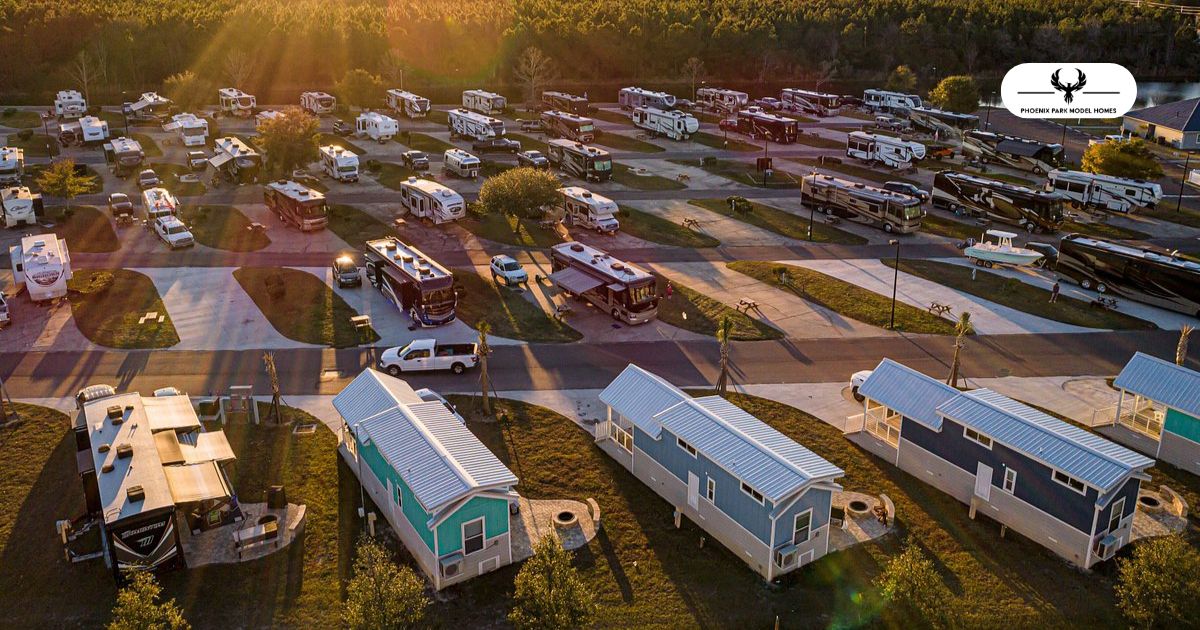
RV resorts and park model communities designed specifically for this lifestyle work perfectly. These communities understand their residents live there most of the year, even if technically it’s “seasonal.” They provide amenities, services, and community atmosphere that support comfortable long-term living.
Snowbird destinations like Florida, Arizona, and southern Texas have entire economies built around seasonal residents. Park model communities in these areas expect residents from November through April, with the understanding they’ll go north for summer months. Local regulations accommodate this pattern.
Vacation property locations near lakes, mountains, or coastal areas often work well for seasonal living. You use your park model during prime seasons when the location is most enjoyable, avoiding off-seasons when weather makes the area less appealing anyway.
Private land in rural areas sometimes offers more flexibility, though this varies dramatically by county and state. Rural jurisdictions with minimal zoning might not scrutinize whether your park model occupancy is truly seasonal versus permanent, though you’re still technically supposed to maintain another residence.
Warm-climate locations year-round attract people who want to live in park models most of the year. Southern California, parts of the Gulf Coast, Hawaii, places where weather supports comfortable outdoor living year-round and where park model communities thrive.
The Legal Gray Area People Navigate
Let’s be honest about what actually happens. Many people live in park models full-time despite restrictions.
They maintain driver’s licenses showing family addresses elsewhere. They keep mail forwarding from another state. They claim they’re “visiting” their park model seasonally while spending 10-11 months there annually. They technically own or rent property elsewhere, even if it’s just a room at a family member’s house they rarely use.
This works until it doesn’t. Problems emerge when:
Zoning enforcement gets triggered. Neighbors complain, or code enforcement officers notice park models being occupied year-round in areas where that’s not permitted. Violations can result in fines, orders to vacate, or inability to renew lot leases.
Insurance issues arise. If you’re insuring your park model as seasonal recreational property but living there full-time, you might not have proper coverage. Claims could be denied if the insurance company determines you misrepresented your usage.
Financing complications surface. RV loans assume recreational use, not primary residence. If lenders discover full-time occupancy, they might claim you violated loan terms.
Community rules get enforced. Many RV parks and communities have rules about maximum occupancy duration. They might allow 11 months annually maximum, require 30 consecutive days away, or have other restrictions ensuring you’re not technically a permanent resident.
I’m not recommending you skirt these rules. I’m acknowledging that many people do, with varying levels of success and risk. Going in with eyes open about the potential complications helps you make informed decisions.
Making Seasonal Living Work Practically
If you’re genuinely committed to seasonal living as designed, here’s how to make it comfortable and sustainable:
Choose locations strategically. Pick seasonal locations you actually want to spend extended time in. If you’re forcing yourself to stay somewhere just to use your park model, you’re doing it wrong.
Establish your off-season plan. Where will you live when not in your park model? With family? Renting month-to-month elsewhere? Traveling? Having a clear plan for the rest of the year prevents that plan from feeling like an inconvenient obligation.
Embrace the lifestyle benefits. Seasonal living means experiencing different places, climates, and communities throughout the year. This variety keeps life interesting in ways permanent residence in one location can’t match.
Budget for two living situations. Maintaining your park model plus accommodations elsewhere costs more than one residence. Factor this into your financial planning so it’s sustainable rather than stressful.
Build community in both locations. Don’t treat your off-season residence as just a place to kill time. Engage wherever you are. This makes the seasonal rotation feel like living in two homes rather than being forced out of one.
Consider RV resort memberships. Some resort networks let you rotate between affiliated properties seasonally. You’re always in a park model or RV resort, just moving between locations following ideal weather or personal preferences.
When Full-Time Use Actually Works
Source: https://www.zookcabins.com/blog/park-model-camper-life-7-reasons-to-embrace-it
Despite restrictions, some situations support full-time park model living more easily:
Communities explicitly allowing it. Some park model communities in areas with favorable regulations permit year-round occupancy. They’ve navigated zoning, obtained proper classifications, and operate knowing residents live there permanently. Research thoroughly and get everything in writing.
Land you own with permissive zoning. If your county allows park models as primary residences on your own land (some rural areas do), you’re operating legally. Verify this completely before committing, talk to zoning officers, get written confirmation, understand any conditions or restrictions.
Areas with minimal enforcement. This is risky and not something I’d recommend relying on, but some jurisdictions simply don’t enforce RV occupancy restrictions. This can change anytime new enforcement begins, leaving you scrambling.
Hybrid approaches. Some people establish legal domicile in states with favorable regulations (South Dakota, Texas, Florida are popular) while physically living in park models in other locations most of the year. This requires understanding complex multi-state residency and tax implications.
What You Need to Know Before Committing
If you’re considering park model living, seasonal or otherwise, get clear on these essentials:
Research local regulations exhaustively. Don’t rely on what salespeople tell you or what you read online. Call planning departments directly. Ask specific questions about park models as primary residences. Get answers in writing. Understand not just current rules but how they’re enforced.
Read community rules completely. If you’re placing your park model in a community or park, read every word of their rules and regulations. Ask specifically about occupancy restrictions, enforcement policies, and whether full-time living is permitted. Don’t assume, verify.
Understand your insurance requirements. Get quotes for the coverage you actually need based on how you’ll truly use the park model. Don’t underinsure to save money and create massive risk if something happens.
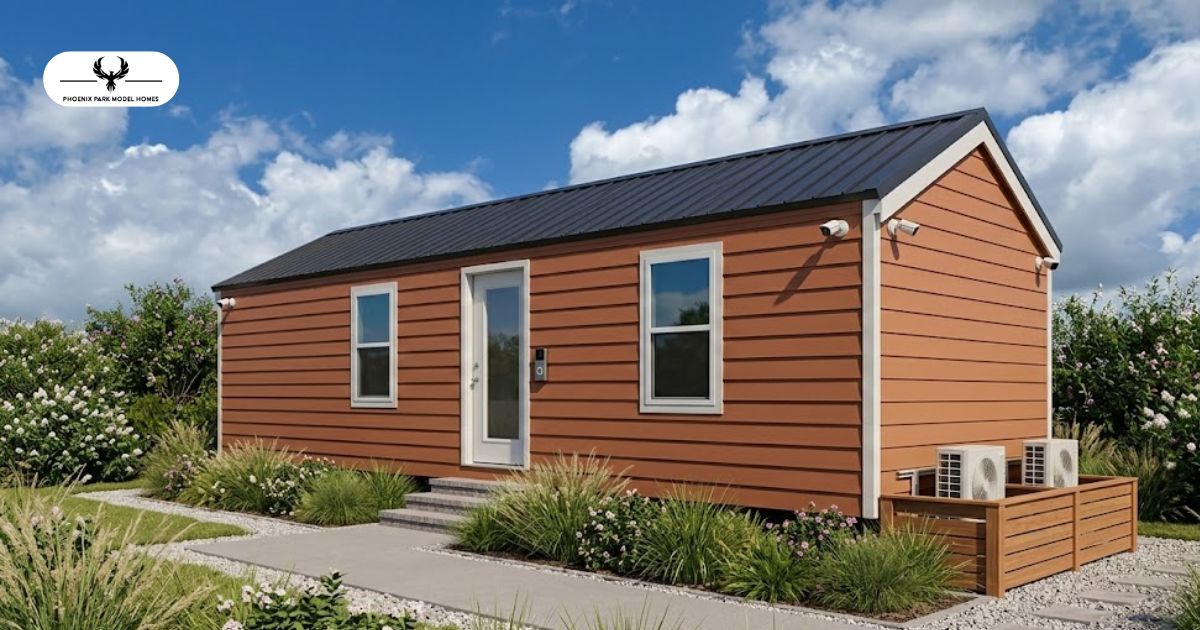
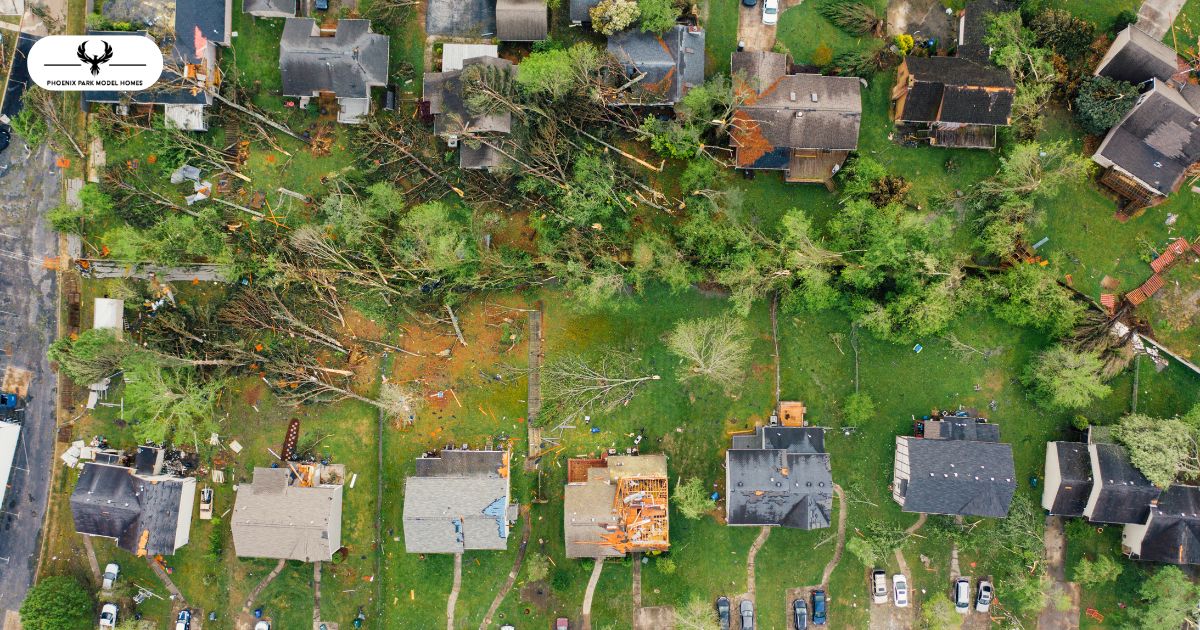
Consider climate and construction. Park models work wonderfully in moderate climates. Extreme cold, heavy snow, intense heat, or hurricane-prone areas require models specifically built for those conditions. Make sure your unit matches your climate reality.
Have a backup plan. What happens if regulations change? If the community closes or changes ownership? If you need to relocate quickly? Having options prevents you from feeling trapped.
The Honest Assessment
Can you use a park model as your primary residence? Technically, no, they’re designed for seasonal and recreational use.
Will many people do it anyway? Absolutely. Thousands already are.
Is it a good idea for you? That depends entirely on your specific situation, location, risk tolerance, and how carefully you navigate the regulatory landscape.
The safest, most straightforward approach is genuine seasonal living. Use your park model extensively during ideal seasons and maintain other accommodations the rest of the year. This keeps you squarely within intended use parameters, avoids legal complications, and often provides a more enjoyable lifestyle than forcing year-round occupancy in one location.
If you’re drawn to the idea of park model living, explore it thoughtfully. Visit communities where you might want to stay. Talk to current residents about their experiences. Understand the regulations where you’re considering placing a unit. Run realistic budgets including all costs.
Park models offer wonderful opportunities for affordable, comfortable, flexible living. Just make sure you’re using them in ways that work legally, practically, and sustainably for your situation. When you do, they provide lifestyle options that traditional housing simply can’t match.
If you’re ready to explore whether park model living might work for your situation, check out our different series and floor plans to understand what’s possible. And when you’re ready to discuss specifics about seasonal living, placement options, and how to approach this thoughtfully, reach out to us. We’ve helped countless people navigate these questions and find solutions that work for their unique circumstances.