
Park model homes offer flexibility and comfort, but like any home, they can be affected by storms, accidents, water damage, or unexpected events. Knowing how to properly claim insurance for your park model can make the difference between a smooth recovery and a stressful, delayed process.
Because park models are often insured differently from traditional homes, many owners aren’t fully aware of the steps involved. This guide walks you through the insurance claim process for park models, explains what documentation you’ll need, and highlights common mistakes to avoid.
Step 1: Ensure Safety First
Before anything else, make sure the area is safe:
- Turn off electricity or gas if there’s visible damage
- Avoid entering the home if structural damage is suspected
- Prevent further damage if possible (temporary tarps, shutting off water)
Insurance companies expect homeowners to take reasonable steps to mitigate additional loss after an incident.
Step 2: Document the Damage Thoroughly
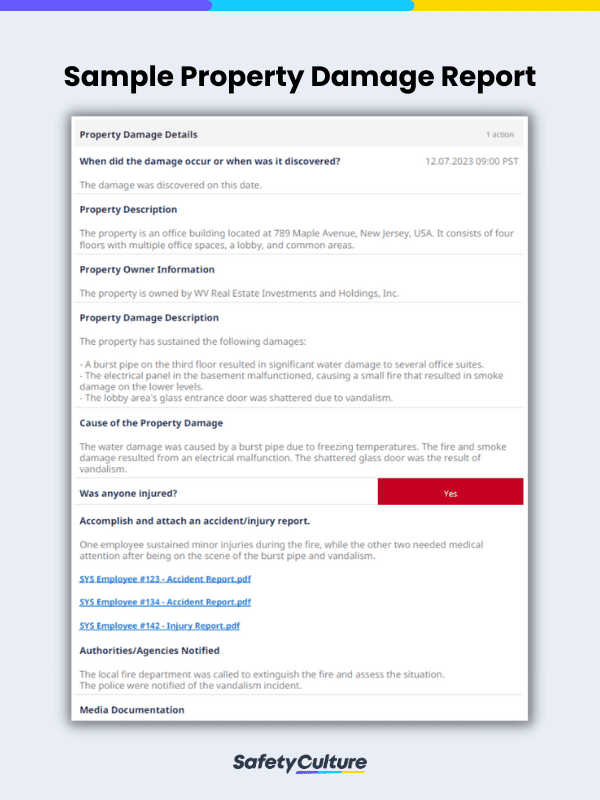
Documentation is the foundation of a successful insurance claim.
Be sure to:
- Take clear photos and videos of all damage (inside and out)
- Capture close-ups and wide shots
- Note the date, time, and cause of the incident
- Keep damaged items until advised otherwise
The more detailed your documentation, the smoother the claim process tends to be.
Step 3: Review Your Park Model Insurance Policy
Before filing the claim, review your policy to understand:
- What types of damage are covered (storm, fire, theft, water, etc.)
- Coverage limits and deductibles
- Exclusions or special conditions
Park models are often insured under RV, park model, or specialty dwelling policies, which can differ from standard homeowners insurance.
Step 4: Contact Your Insurance Provider Promptly
Most insurers require claims to be reported within a specific timeframe.
When you contact them, be prepared to provide:
- Policy number
- Description of the incident
- Date and location of damage
- Photos or videos (if available)
Delays in reporting can sometimes result in reduced coverage or claim denial, so it’s best to act quickly.
Step 5: Meet with the Insurance Adjuster
After filing, your insurer will usually assign an adjuster to inspect the damage.
During the inspection:
- Walk through the damage together
- Share your documentation
- Point out all affected areas, even minor ones
Tip: Take notes during the inspection and ask questions about next steps or timelines.
Step 6: Obtain Repair Estimates
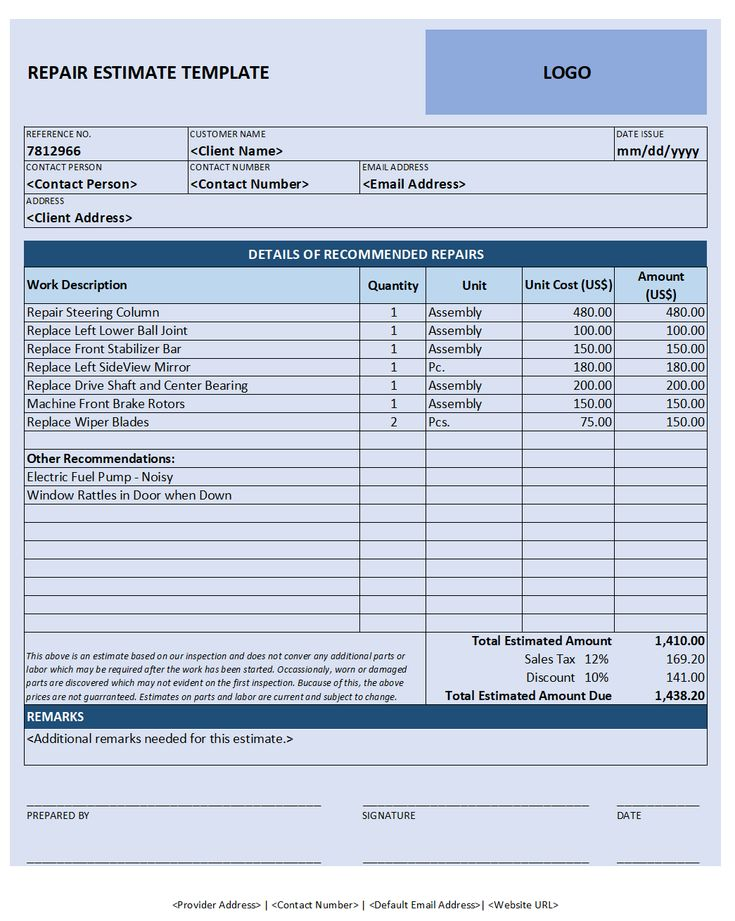
Many insurance companies require:
- One or more repair estimates
- Quotes from licensed contractors
- Itemized breakdowns of labor and materials
If your park model was built by a reputable manufacturer like Phoenix Park Models, having original build details can help clarify material quality and replacement costs.
Explore durable construction options: Phoenix Park Models
Step 7: Claim Approval and Settlement
Once reviewed, the insurer will:
- Approve or deny the claim
- Issue payment based on coverage and deductibles
- Specify whether payment is for repairs or reimbursement
Some claims are paid in stages, especially if repairs take time.
Always review settlement details carefully before accepting payment.
Step 8: Complete Repairs and Keep Records
After approval:
- Complete repairs using licensed professionals
- Keep all invoices and receipts
- Document completed work with photos
These records protect you if there are follow-up questions or supplemental claims.
Common Mistakes to Avoid
Waiting too long to report damage
Throwing away damaged items too early
Under-documenting losses
Assuming all damage is covered
Not understanding deductibles or exclusions
Avoiding these pitfalls helps prevent unnecessary delays.
How Phoenix Park Models Helps Protect Your Investment
Park models from Phoenix Park Models are designed with:
- Durable materials
- Clear build documentation
- Recognized construction standards
This makes them easier to insure, repair, and restore after unexpected events, giving owners greater peace of mind.
Conclusion
Filing an insurance claim for your park model doesn’t have to be overwhelming. By acting quickly, documenting carefully, and understanding your policy, you can navigate the process with confidence and minimize downtime.
Whether your park model is a full-time residence, vacation home, or rental property, being prepared ensures you can recover faster and protect your investment.
FAQs
Is park model insurance the same as homeowners insurance?
No. Park models are often insured under RV or specialty dwelling policies.
How long does a park model insurance claim take?
Simple claims may resolve in weeks, while larger repairs can take longer.
Do I need special coverage for weather damage?
Depending on the location, additional coverage for floods, wind, or storms may be required.
Can I choose my own repair contractor?
Usually yes, but always confirm with your insurer first.
Does insurance cover relocation during repairs?
Some policies include loss-of-use coverage; check your specific policy details.