


You’ve got questions about park models. Lots of them, probably.
That’s completely normal. Park models occupy this unique space between RVs and traditional homes, which means they don’t fit neatly into categories most people understand. The questions pile up fast.
We’ve collected the questions people actually ask, not the sanitized versions, but the real, specific things buyers want to know before committing. Some are practical. Some are financial. Some reveal concerns people don’t always voice directly.
Let’s get into it.
How well do Phoenix park model homes handle extreme temperature swings?
Phoenix Park Homes are built with residential-grade insulation, double-pane windows, and sealed construction methods. These features allow them to handle both hot summers and cold winters reasonably well, making them a comfortable option for seasonal and year-round living.
Can a Phoenix park model home be relocated after it’s been installed?
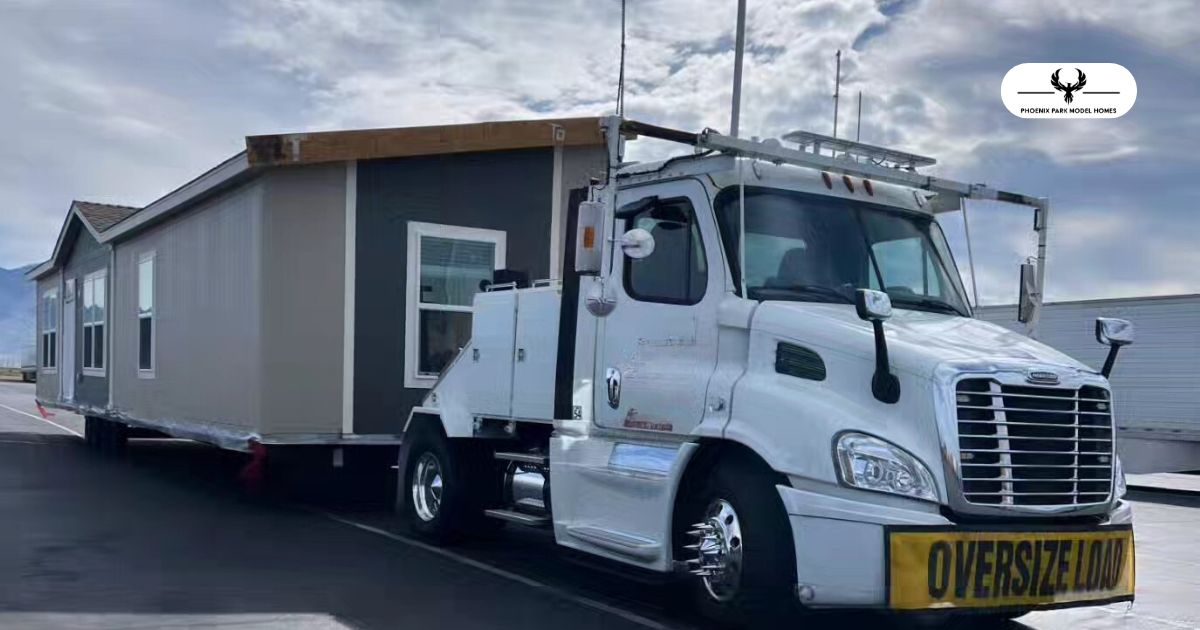
Yes, park model homes are designed to be transportable. However, relocation usually requires professional movers, necessary permits, and sometimes partial disassembly of decks or additions. Costs for relocation can vary based on distance and local regulations.
Can Phoenix park model homes be expanded with add-on rooms or enclosed porches later?
Yes, many park model owners choose to expand their homes by adding sunrooms, screened porches, Florida rooms, or storage additions. These additions are generally built on-site rather than attached directly to the home’s frame. Local building codes and community rules will determine the size and type of additions allowed.
How quiet are Phoenix Park model homes compared to traditional houses?
Park model homes can be surprisingly quiet. Due to their smaller size, sound may travel more easily between rooms than in larger houses. However, many owners add soft materials like rugs, curtains, and upholstered furniture to improve sound absorption and reduce echo.
How do Phoenix Park model homes perform in areas with frequent storms or high winds?
While park model homes are built to RVIA or similar standards, they do not carry wind ratings. Their wind resistance largely depends on installation. Anchoring systems, tie-downs, and permanent foundations greatly increase stability in windy or storm-prone areas.
Can solar panels or off-grid systems be integrated?
Yes, many owners successfully install solar panels, battery storage systems, or small off-grid power setups. Since park model homes have smaller electrical loads than traditional houses, they are excellent candidates for solar systems, especially in sunny regions.
What are the most common long-term maintenance issues?
Common maintenance issues for park models typically involve:
- Roof sealant and flashing upkeep
- HVAC servicing
- Skirting repairs
- Plumbing winterization (in cold climates)
- Exterior siding or deck maintenance
Regular maintenance helps these homes last for decades, ensuring they stay in great shape.
Are Phoenix park model homes suitable for full-time living?
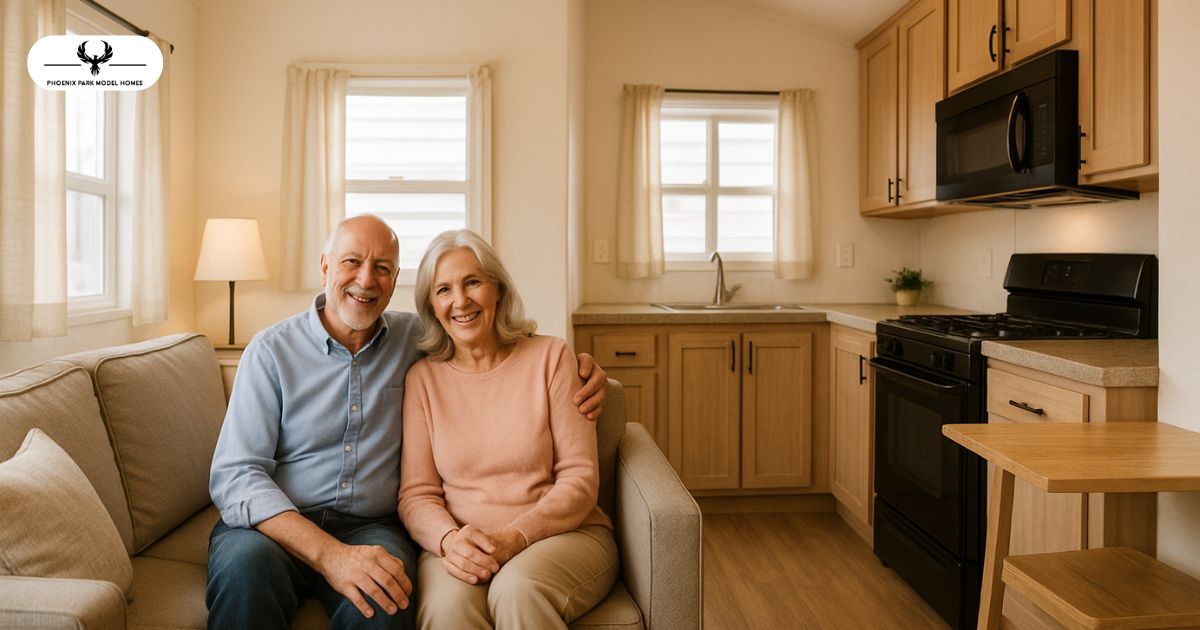
Phoenix Park Homes are designed to offer comfort and flexibility, making them a great choice for both seasonal living and full-time residence. However, the ability to live in a park model full-time largely depends on local zoning laws.
What types of insurance policies are used for park model homes?
Owners typically insure their park model homes with one of the following types of policies:
- RV insurance policies
- Manufactured home insurance
- Specialty park model home policies
These policies often cover the structure, personal belongings, liability, and sometimes attached decks or sheds.
How much outdoor space do owners usually add?
Many owners expand their living area by adding:
- Large decks
- Screened porches
- Patios
- Outdoor kitchens
In many communities, these additions can effectively double the usable living space during good weather, providing a comfortable outdoor retreat.
Are there design tricks to make park model homes feel larger?
Yes! Common interior design strategies to maximize space include:
- Light color palettes
- Large windows or skylights
- Multi-functional furniture
- Built-in storage
- Open shelving
- Vertical storage solutions
These design tricks help make a park model home feel open and spacious, even in a smaller footprint.
What transportation requirements exist for delivery?
Transporting a park model home typically requires:
- Wide-load permits
- Professional transport services
- Clear road access to the property
- Sometimes escort vehicles
In rural areas, route planning may be necessary to avoid tight turns, low bridges, or narrow roads.
Can they be placed on private land with septic and well systems?
Yes, park model homes can often be placed on private land with septic systems and wells, provided local zoning allows park models as dwellings or accessory structures. Many owners choose this option for rural land, but permits and inspections are typically required for installation.
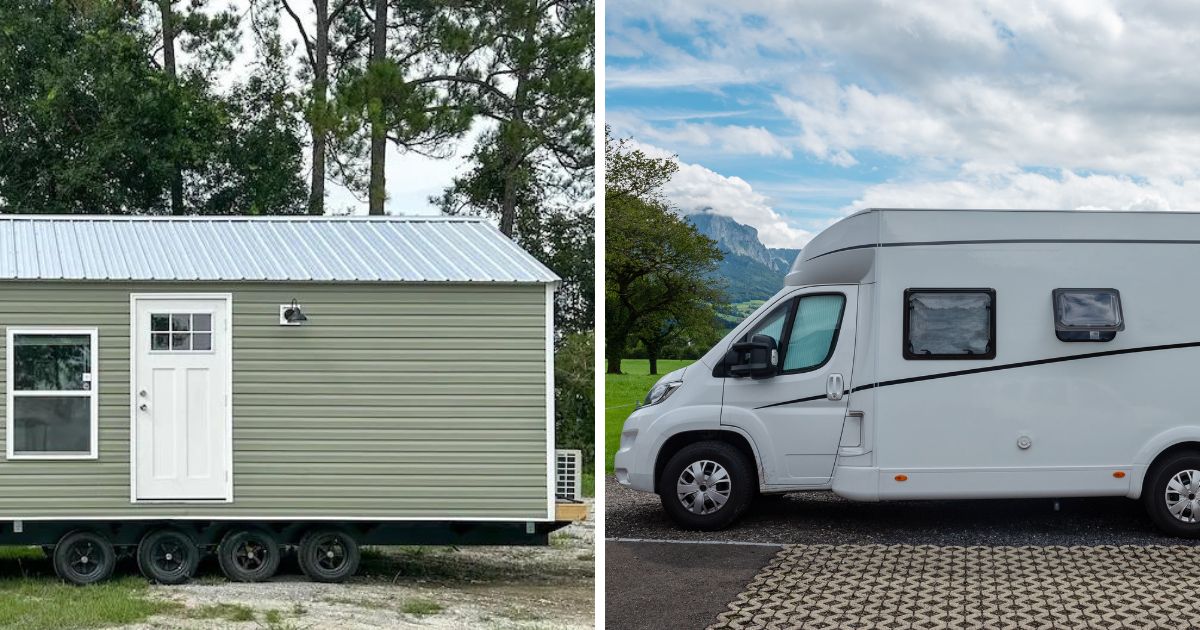
How do park model homes compare with tiny homes in building codes?
Park model homes usually follow RVIA standards, while tiny homes may follow residential building codes (IRC) or local tiny house regulations. Because of this difference:
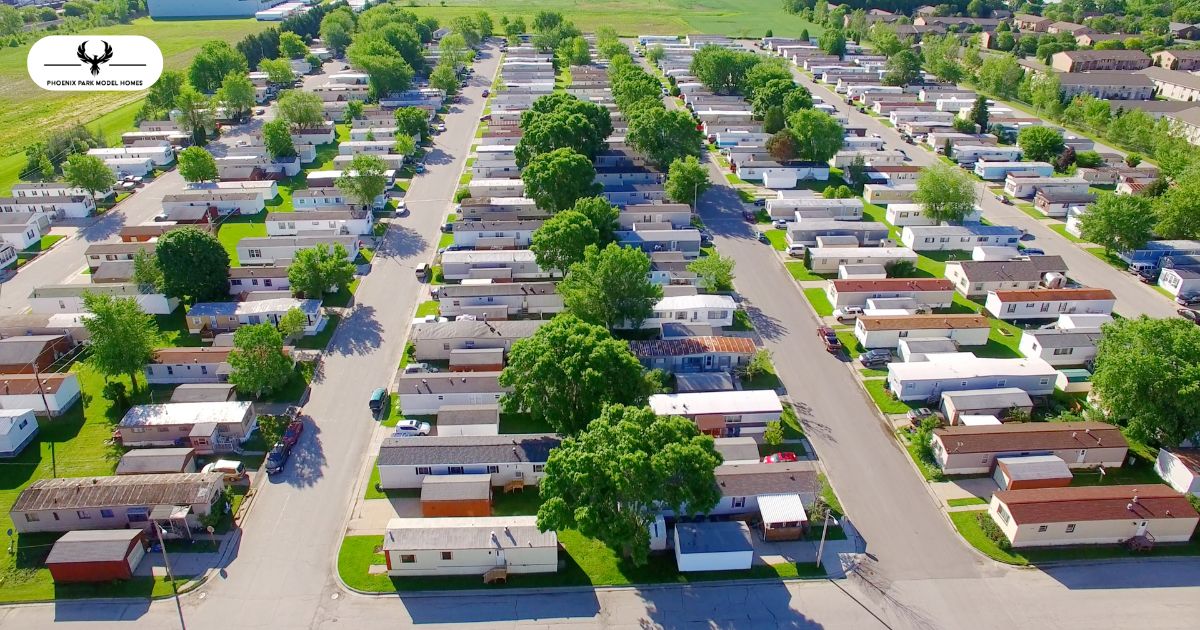
- Park model homes are often easier to place in RV communities
- Tiny homes may be easier to permit as permanent residences in some jurisdictions
What resale trends exist for park model homes?
Resale value for park model homes depends on location, condition, and community demand. In popular retirement areas, lakefront properties, or vacation spots, park models can retain value well. Upgrades like decks, landscaping, and modern interiors often improve resale appeal.
Conclusion
We hope this comprehensive FAQ guide provides the answers you need about Phoenix Park Homes. From understanding how they perform in different climates to exploring design strategies and resale trends, we’ve covered key aspects of owning a park model home. Whether you’re considering it for seasonal living, vacation rental, or permanent residence, understanding the details helps you make the best choice.
If you’re ready to move beyond these questions and get specific answers about what would work for you, explore our different series and floor plans to see what’s possible. Or reach out directly with your questions; we’re happy to have real conversations.